
My nephew saved up babysitting money for most of a year, walked into our living room, and asked me one question with the seriousness of a man signing a mortgage: "Should I get a PlayStation or build a PC?" He had a notebook. He had a budget. He had absolutely no idea what he was walking into.
I have been gaming and competing for twenty years, and I have owned roughly every box and rig you can name. So I told him the truth nobody on YouTube wants to say out loud: there is no universal winner. There is only the version of you who is actually going to sit down and play.
So let's settle this the way I wish someone had settled it for me. We will look at what each option really costs, how much friction it adds to your life, and what you actually get to play. Then I will tell you, plainly, who should buy which.
The Case For a Console: Plug In and Play
A modern console is the most honest deal in gaming. You pay one price, you bring it home, you plug it into the TV, and within ten minutes you are playing. No driver updates, no settings menus that read like an aircraft cockpit, no Googling why your frame rate tanked.
That simplicity is the whole pitch, and it is a good one. Consoles are built to a fixed spec, which means developers know exactly what hardware they are targeting. When a game like Elden Ring launches, it is tuned to run on that box, full stop.
The other quiet advantage is the couch. Controllers, big-screen play, and a friend dropping in for local co-op are first-class citizens on console. If your idea of a good night is two people and a sofa playing something loud and dumb, a console is purpose-built for it.
"Cheaper upfront" is not the same as "cheaper forever." Console games at launch often cost more than the same title on PC, and online multiplayer usually needs a paid subscription. Budget for both before you decide.
The Case For a Gaming PC: Power and Freedom
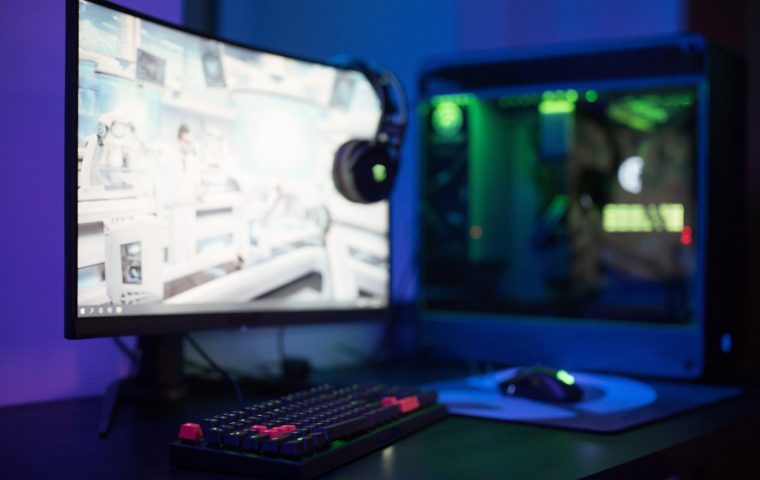
A gaming PC is the opposite philosophy. You spend more time and usually more money up front, and in return you get a machine that does what you tell it.
Higher frame rates, sharper resolutions, mods, emulation, ultrawide and high-refresh monitors, and a library that goes back literally decades. If you want to run Baldur's Gate 3 at 1440p with the settings cranked, or you care about hitting a buttery refresh rate in Valorant, this is where you live.
PC is also where competitive play tends to gravitate. Mouse and keyboard precision, the highest frame rates, and the deepest tournament scenes for shooters and strategy games all skew toward the desktop. Serious ranked players almost always end up here eventually.
The catch is that you are now the IT department. Updates, the occasional driver conflict, and the temptation to keep upgrading are all part of the deal. Some people find that genuinely fun. Others find it a chore that eats the evening they wanted to spend playing.
Let's Talk Real Money
Here is where most comparisons get dishonest, so I will not pull punches. A console gets you in the door for less. A capable gaming PC costs more at the start, then slowly claws some of that back through cheaper games and frequent sales.
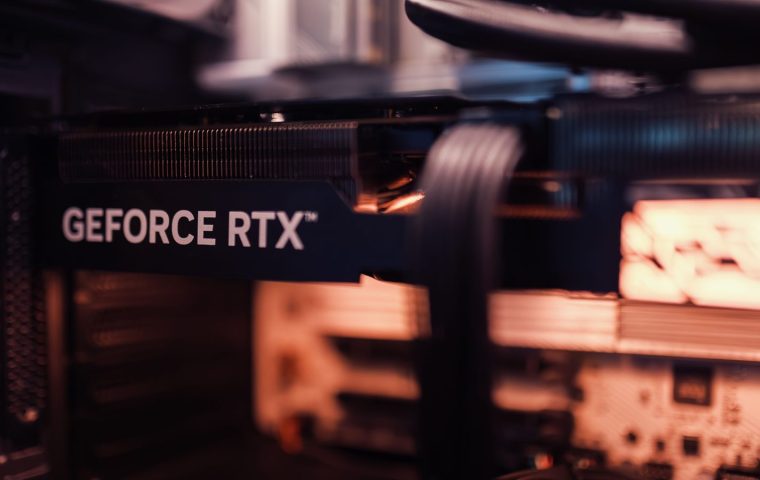
The single biggest variable on PC is the graphics card, and it is also where people overspend the hardest. You do not need the most expensive card on the shelf to have a great time, and figuring out how to match a GPU to your actual budget is the most important call you will make in a build.
Watch the accessories too. Manufacturers love to bolt on pricey extras, and a lot of it is optional. Before you add a fancy controller or a premium headset to the cart, it is worth checking whether there are smarter alternatives to overpriced gaming gear that do the same job for less.
On console, factor in the paid online subscription and pricier launch-day games. On PC, factor in a decent monitor, a mouse and keyboard, and the upgrade itch a year or two down the line. Neither platform is "set it and forget it" on cost.
Side By Side: How They Stack Up
Numbers below are illustrative, not gospel, because prices swing with sales and stock. Use this to compare shapes, not exact dollars.
| Factor | Console | Gaming PC |
|---|---|---|
| Upfront cost | Lower (one fixed price) | Higher, ranges widely by parts |
| Game prices | Often full price at launch | Frequent deep sales |
| Setup time | Around ten minutes | Hours if you build it yourself |
| Performance ceiling | Fixed for the generation | As high as your parts allow |
| Library | Curated, plus exclusives | Huge, including decades of back catalog |
| Maintenance | Minimal | Ongoing updates and tinkering |
| Competitive scene | Strong for fighting and sports games | Deepest for shooters and strategy |
What You Actually Get To Play
Library matters more than raw power, and people forget that in the spec arguments. The best machine in the world is useless if it cannot run the games you love.
Consoles win on exclusives. There are franchises you simply cannot play anywhere else, and for a lot of buyers a single beloved series settles the whole debate before the first benchmark is mentioned.
PC wins on breadth and weirdness. Decades of back catalog, an enormous indie scene, free mods that keep a game like Stardew Valley alive for years, and storefronts constantly slashing prices. If variety and value are your thing, it is hard to beat.
Do not overlook the Steam Deck as a third path either. It is essentially a handheld PC, and for someone who wants the open library without managing a full desktop, it scratches a very specific and growing itch.
Before you spend a cent, write down the five games you most want to play this year. Check which platform they are on. That list will tell you more than any spec sheet, and it stops you buying a box that cannot run what you actually care about.
The Verdict: Who Should Buy What
Here is the part my nephew actually needed. No fence-sitting.
Buy a console if
You want the lowest hassle and a predictable price. You game mostly on the TV, you love couch co-op, or there is one exclusive series you cannot live without. If "I just want to press a button and play" describes you, stop reading and go buy the console.
Buy a gaming PC if
You care about high frame rates, modding, and a sprawling library on sale. You play competitive shooters or strategy seriously, or you already work at a desk and would happily run a productivity machine that also games. If tinkering sounds like a hobby rather than a tax, this is your platform.
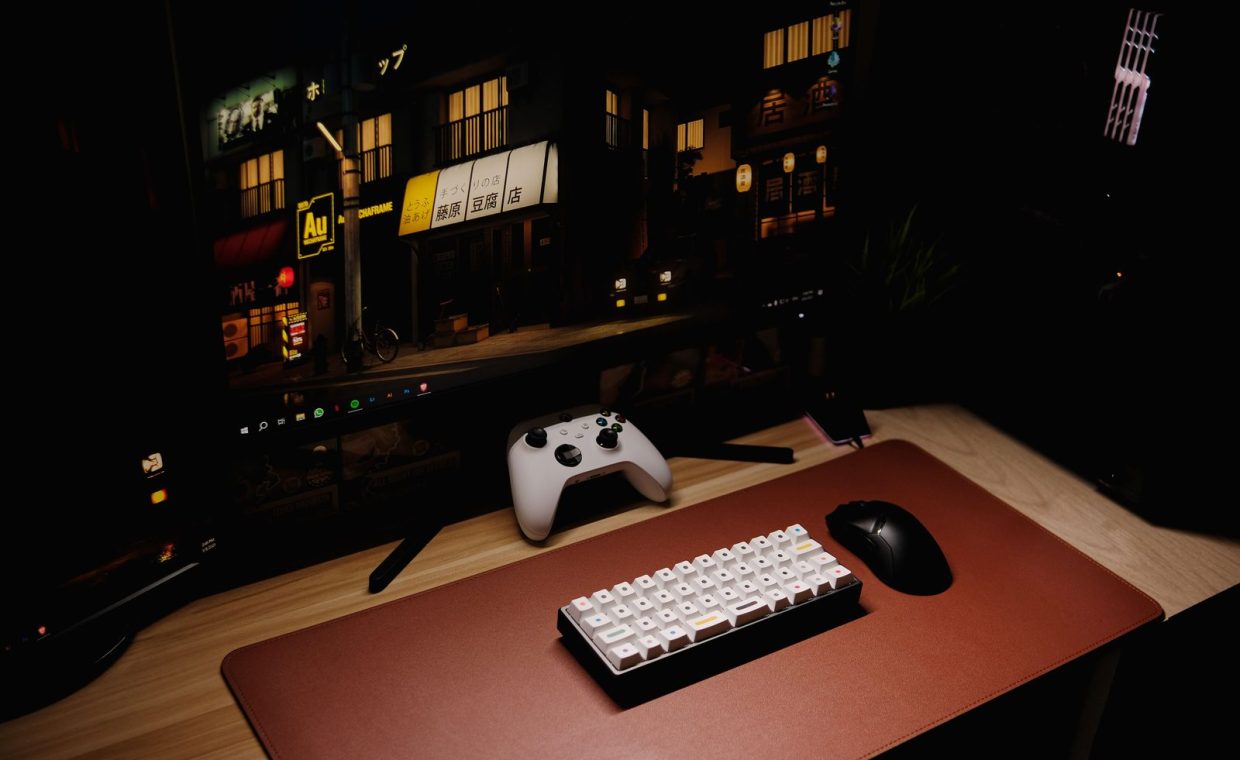
And if you go the PC route and end up with one extra screen, learning to set up dual monitors for gaming is one of the small upgrades that genuinely changes how you play, from keeping a guide open to watching chat during a match.
Lowest fuss and TV-first play, get a console. Highest performance, mods, sales, and serious ranked play, build or buy a PC. Want the open library without a full desktop to manage, look hard at a Steam Deck.
Is a gaming PC always more expensive than a console?
Up front, usually yes. Over time the gap narrows because PC games go on sale far more often and online play does not require a paid subscription. A budget-minded build plus a couple of big sales seasons can close a surprising amount of the difference.
Can I play competitive esports on a console?
Absolutely, especially fighting games and sports titles, which have strong console scenes. For shooters and strategy games, though, the deepest competitive ecosystems and the highest frame rates still live on PC, so serious ranked players often migrate there.
I am not technical at all. Is a PC still worth it?
It can be, but be honest with yourself. If updates and the occasional driver hiccup will frustrate you, a console removes almost all of that friction. If you are willing to learn a little, or buy a prebuilt instead of assembling one, a PC is far less scary than the forums make it sound.
My nephew, for the record, went with a console. He games on the TV, his friends come over, and he wanted zero homework before the fun started. That was the right call for him, and the right call for you depends on the exact same honest questions. Pick the machine that fits the way you actually play, not the one that wins arguments online.