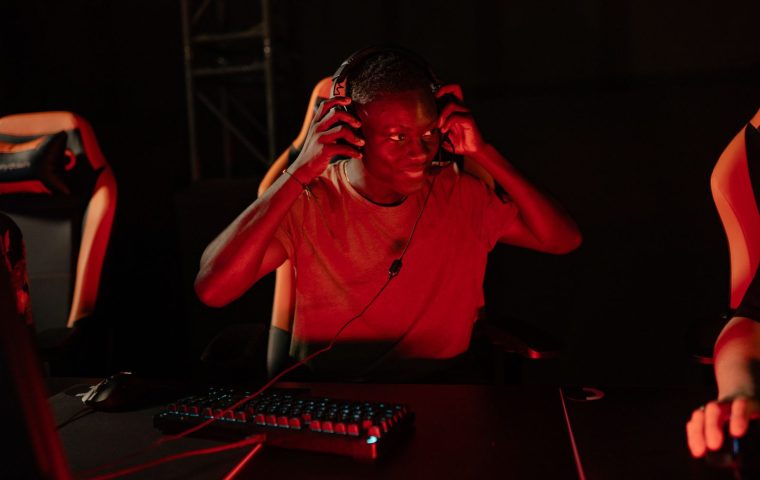

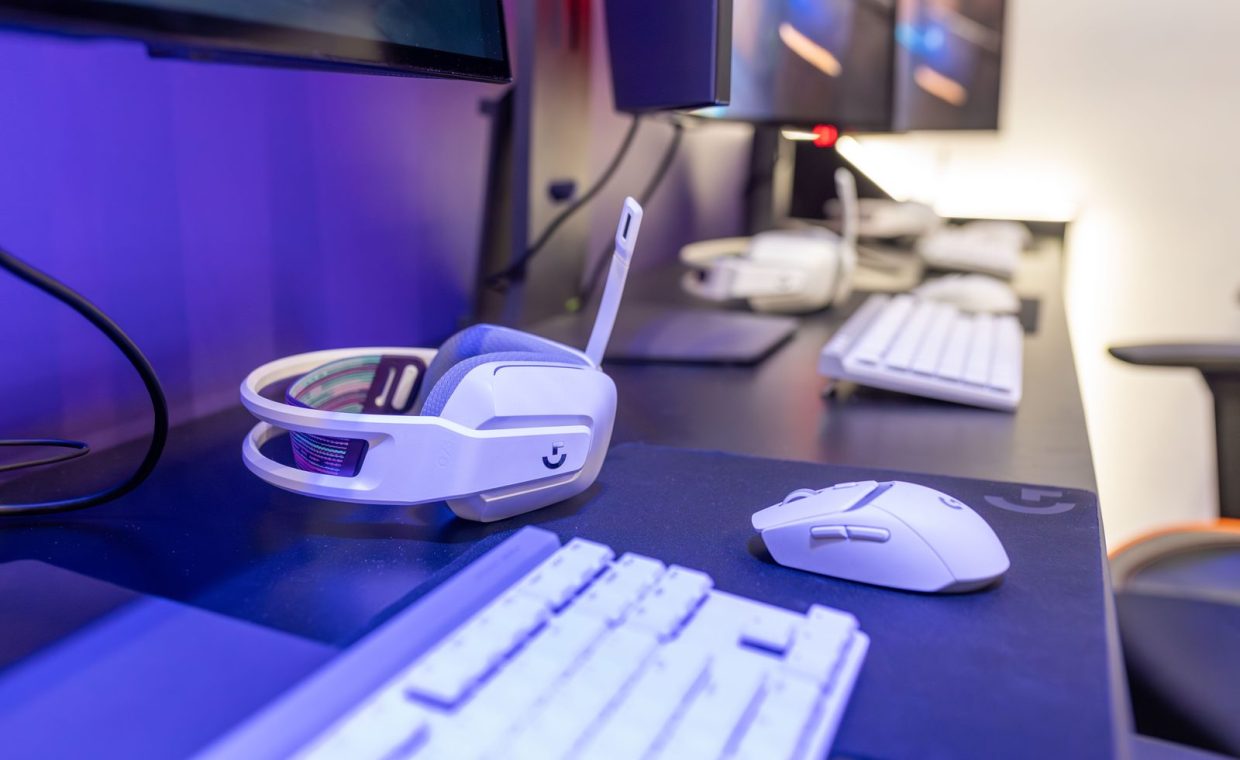
My buddy Dev spent more on a headset last spring than he did on his graphics card. Wireless, RGB lighting on the earcups he could not even see while wearing them, a stand that lit up like a tiny disco. Then he asked me why his footstep audio in Valorant still felt mushy.
The answer was boring. He bought a logo and a light show, not a good pair of drivers. A cheaper headset with a flatter sound profile would have given him sharper directional cues for half the money. That is the trap I want to keep you out of.
Below is a tiered list, cheapest to splurge, with what each price bracket actually buys you in sound, comfort, and mic quality. I have used or borrowed most of these categories across late-night Elden Ring runs and ranked Apex sessions, so the notes come from real ears, not a spec sheet.
Spend on drivers and comfort first, features second. A clean, slightly bright sound signature and earcups you forget you are wearing will beat fancy software every single time.
1. Under $40: The Honest Starter
This is where most people should start, and plenty of people should just stay. A wired stereo headset around $30 to $40 gets you perfectly usable positional audio and a mic your teammates can actually understand.
You are giving up surround processing, premium padding, and any wireless freedom. Honestly, none of those matter much when you are learning a game. What matters is hearing where the shot came from, and a decent 40mm driver does that fine.
The common mistake here is buying the absolute cheapest thing on the shelf, the $12 mystery brand. Those tend to have boomy bass that smears footstep cues. Spend the extra ten bucks for a known name and you skip that problem entirely.
If your current headset sounds muddy, try turning the in-game bass or "boost" setting down before you buy anything. Flatter sound reveals more detail, and that is free.
2. Around $80: The Sweet Spot
If I could only recommend one bracket, it is this one. The $70 to $90 range is where gaming audio stops feeling like a toy and starts feeling like a tool. This is the price tier I point friends to roughly nine times out of ten.
You get better drivers with cleaner separation, memory foam earcups that survive a four-hour Baldur's Gate 3 session, and detachable mics that punch above their cost. Build quality jumps too, so the headband stops feeling like it will snap.
Wired versions in this range often sound better than wireless ones at the same price, because the money goes into audio instead of a battery and a radio. The same logic shows up in pointing devices, which I dug into in my breakdown of whether wired or wireless gaming mice are worth it. Cables are not glamorous, but they are cheap.
3. Around $130: Comfort and a Real Mic
Step up to roughly $120 to $150 and the gains shift from raw sound to everything around it. The audio is a touch cleaner, sure, but the bigger story is comfort and microphone quality.
Plush leatherette or velour pads, a self-adjusting headband, lighter overall weight. If you stream or hop into Discord for hours, the mic at this tier finally sounds like a person and not a drive-through speaker. Your friends will notice before you do.
This is also where decent wireless starts to make sense. You are paying for genuine convenience now, not just a marketing checkbox, and the battery life usually lands somewhere around 20-30 hours per charge.
Do not pay this much for "virtual 7.1 surround" as the headline feature. On most stereo headsets it is a software effect that can actually blur directional accuracy. Good stereo imaging beats fake surround for competitive play.
4. Around $200: The Wireless Splurge
Now we are in treat-yourself territory. Two hundred dollars buys premium wireless with low-latency connections, swappable batteries on some models, and audio that holds up next to dedicated headphones.
The honest truth is the sound is not twice as good as the $80 pick. You are paying for polish: the build, the wireless reliability, the mic, the little quality-of-life touches like on-cup volume dials that feel right under your thumb.
If you have the budget and you play daily, it is a fair splurge. If you are stretching to afford it, the money moves your experience more if you put it toward your rig. A faster GPU or more RAM changes more games than a $200 headset does, and you can squeeze frames for free first using the tricks in my guide to boosting FPS without spending a dime.
5. The Audiophile Detour: Headphones Plus a Mic
Here is the move the hardcore folks swear by, and they are not wrong. Skip "gaming" headsets entirely and pair a set of open-back studio headphones with a separate clip-on or desk mic.
For somewhere around $150 to $250 total, open-back cans give you a wide, airy soundstage that makes footstep positioning eerily precise in games like Counter-Strike. The catch is they leak sound and let room noise in, so they are best in a quiet space, not a shared dorm.
Add a standalone mic and your voice quality leaps past almost any built-in boom. It is more fiddly to set up, and it sprawls across your desk, but the audio payoff is real. Think of it like choosing parts for a custom build, the same mindset behind picking between mechanical and membrane keyboards: you assemble the experience you actually want instead of accepting a bundle.
6. How to Match a Headset to Your Games
The right pick depends as much on what you play as on your wallet. A few quick matchups before you spend.
Competitive shooters
Prioritize flat, accurate stereo and a comfortable fit for long sessions. Footstep clarity wins gunfights, so a clean $80 wired set often beats a flashy wireless one twice the price.
Story and single-player epics
For Elden Ring, Cyberpunk, or any cinematic adventure, a richer, bassier signature feels great. This is where a warmer-tuned $130 set earns its keep and makes big moments hit harder.
Couch and handheld
On a Steam Deck or a console on the sofa, lightweight wireless or even good wired earbuds make more sense than a heavy over-ear rig. Comfort and portability matter more than a giant soundstage.
| Budget | You get | Best for |
|---|---|---|
| Under $40 | Solid wired stereo, basic mic | New players, backups |
| Around $80 | Clean drivers, comfy pads, good mic | Most people, all-rounders |
| Around $130 | Plush comfort, stream-grade mic | Streamers, marathon sessions |
| Around $200 | Premium wireless polish | Daily players who value convenience |
| $150-$250 (split) | Open-back cans plus separate mic | Audio nerds in quiet rooms |
Under $40 covers the basics. Around $80 is the smart-money pick for almost everyone. Spend more only when comfort, a real mic, or wireless freedom genuinely changes how you play.
Is wireless worth it for gaming headsets?
Only above roughly $120. Below that, the wireless tax eats into audio quality, so a wired set at the same price usually sounds noticeably better. Pay for wireless when you value the freedom, not because cables feel old.
Does virtual 7.1 surround actually help?
Rarely. On most stereo headsets it is a software trick that can smear the directional cues you need in competitive play. Good stereo imaging gives you more accurate positioning, so leave the surround toggle off and trust your ears.
Should I buy studio headphones plus a mic instead?
If you have a quiet room and want the best positional audio per dollar, yes. Open-back headphones with a separate mic beat most gaming headsets on soundstage and voice clarity, though the setup is fiddlier and leaks sound.
So before you copy Dev and chase the glowing earcups, ask what you actually want from the next four hours of play. For most of you that is a clean $80 set and a quiet room. Save the rest for a game, a GPU, or pizza. Happy hunting, and I will see you in the lobby.