
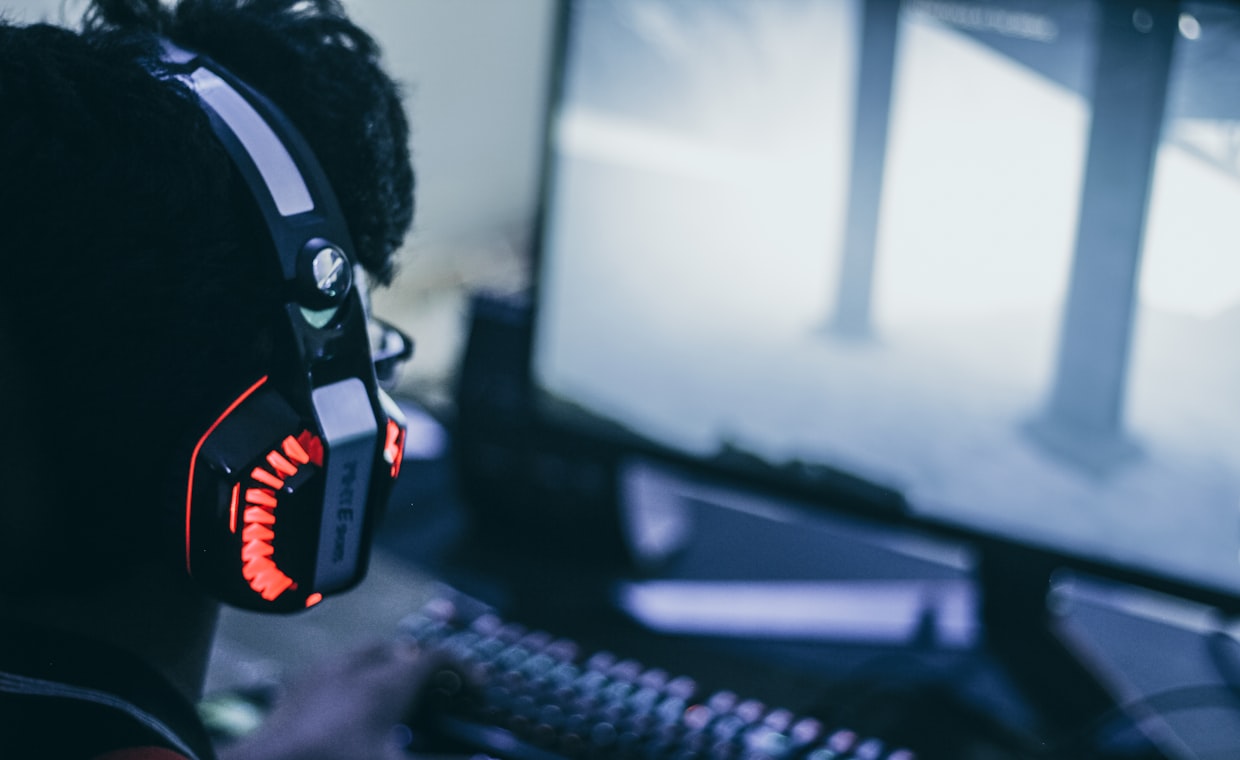
I lost a ranked game last week that I was convinced I did nothing wrong in. Zero. Perfect. Robbed by teammates. Then I watched the replay and counted eleven decisions inside eight minutes that were flat out bad, and four of them were mine before a single teammate did anything wrong.
That gap between how a game feels and how it actually goes is the single biggest reason people stay stuck. Your memory of a match is a highlight reel edited by your ego. The VOD is the raw footage, and the raw footage does not care about your feelings.
Reviewing your own play is the cheapest edge in competitive gaming. You already have the film and nobody is charging you for it. Most players just never press rewind because it stings a little, and that reluctance is exactly the opening you can exploit.
Why Watching Yourself Beats Watching Pros
Pro VODs are great for ideas. They are terrible for fixing you specifically. A grandmaster does not make the mistakes you make, so watching them tells you what right looks like without ever showing you what your version of wrong looks like.
Your own VOD is the only tape that contains your exact habits. It shows the corner you always peek without info, the fight you always take at forty percent HP, the rotation you always start two seconds late. Those patterns repeat every single game, which means fixing one habit pays you back across hundreds of matches.
Think of it as debugging. You would not fix a crash by reading someone else's codebase. You read your own logs. The replay is your log file, timestamped and honest.
Watch to find your patterns, not to relive the match. If you are enjoying the replay, you are spectating, not reviewing.
Set Up a Review You Will Actually Do
The best review system is the one you repeat, so keep the barrier stupidly low. You do not need editing software or a spreadsheet with twelve tabs. You need one recorded game and twenty focused minutes.
Record everything by default. Most people only save the losses, which quietly biases your whole study toward tilt. Your clean wins hold just as much information, and reviewing a win shows you what your good decisions look like so you can reproduce them on purpose.
Pick one game per session, ideally a close one. Blowouts in either direction teach you almost nothing. The 51-49 games are where your real skill ceiling lives, because those are the ones a single better decision would have flipped.
What You Actually Need
- A way to record or access replays (most competitive titles save these automatically).
- A pause key and the patience to use it a lot.
- A simple notes doc, even just a sticky note, for the two or three patterns you spot.
- Twenty uninterrupted minutes, which is less time than one more coinflip queue.
The Death Review Method
If you only ever do one thing, do this. Jump to every death, or every round you lost, and rewind ten seconds before it happened. The death is the symptom. The mistake almost always lives in those ten seconds before, not in the moment you actually died.
At each one, ask a blunt question: what did I do that put me in a losing spot? Not "the enemy was strong." What did you do. You overextended for a kill that was not there. You had no vision and pushed anyway. You reloaded in the open.
Write the answer in three or four words. "Pushed with no cooldowns." "Face-checked bush." "Greeded last hit." After ten deaths you will see the same phrase show up three or four times. That repeated phrase is your homework, and it is worth more than any tier list.
Ask Better Questions Than "Did I Win the Fight"
Winning or losing a fight is the least useful thing to track, because it is downstream of a dozen earlier choices. Better film study means interrogating the decisions that led up to it.
Some questions that actually move rank:
- Timing: Did I start this rotation, recall, or reset on time, or two seconds too late?
- Information: Did I have the info to make this call, or did I guess and get lucky-slash-punished?
- Resources: What was my HP, ammo, ultimate, or economy when I chose to fight?
- Alternatives: What was the boring safe play here, and why did I skip it?
That last one is gold. Most rank-losing plays are not mechanical, they are a flashy option chosen over a boring correct one. If you keep skipping the safe play, you are probably making one of the classic solo queue hardstuck mistakes that keep people frozen at the same rank for months.
Turn Findings Into Reps, Not Regret
A pattern you spotted and then forgot is worthless. The whole point of review is to change the next game, and that only happens if you convert findings into something you practice on purpose.
Take your top pattern and turn it into a single focus for your next few sessions. Not five things. One. "This week I do not fight below fifty percent HP." That is a rule you can actually hold in your head mid-game, and it directly plugs into how to practice and improve instead of just grinding games on autopilot.
Warm up with that focus in mind too. A good pre-game routine primes the exact habit you are building, and there is a solid breakdown of pro warm up routines ranked you can steal from. Fifteen minutes of aimed warmup beats zero minutes of "I'll warm up in ranked."
A Simple Review Loop You Can Copy
Here is the whole system in a table so you can pin it somewhere and run it without thinking.
| Step | What you do | Time | Output |
|---|---|---|---|
| 1. Pick | Choose one close game, win or loss | 1 min | A single VOD queued up |
| 2. Jump | Skip to each death or lost round, rewind 10s | 10 min | List of pre-death mistakes |
| 3. Tag | Label each mistake in 3-4 words | included | Repeated phrases you can count |
| 4. Pick one | Choose the most frequent pattern | 2 min | One focus rule for next games |
| 5. Rep | Play with only that focus in mind | next session | A habit that sticks |
The magic is not in any single pass. It is in running this loop ten times over a month, where each pass shaves one leak and those leaks start compounding in your favor.
Common Traps That Waste Your Review Time
Reviewing badly can feel productive while teaching you nothing, so watch for these. Highlight-hunting is rewatching your good plays and skipping the deaths, which is a dopamine hit, not analysis. Blame-scanning is proving to yourself the team threw, and even if they did, you cannot control them, so it is dead time.
The last one is over-reviewing, where you dissect thirty minutes of a match you already lost interest in. Twenty focused minutes on the right ten seconds beats an hour of drifting.
How often should I review my own gameplay?
One focused session every two or three ranked days is plenty for most players. Consistency beats volume, so a tight twenty minute review twice a week will outpace a three hour binge you never repeat.
Should I review wins or only losses?
Both, and honestly wins are underrated. A close win still contains near-misses and lucky calls, and reviewing it shows you which good decisions to repeat on purpose instead of by accident.
What if I cannot spot my own mistakes?
Start with deaths only and ask what happened in the ten seconds before each one. If you are still stuck, compare your positioning to where a teammate who survived was standing. The contrast usually makes the mistake obvious.
Nobody climbs by queuing harder. The players who pull away are the ones who treat every game as data and actually read it back. Start with one close match tonight, watch the ten seconds before each death, and pick a single thing to fix. Do that for a month and the rank takes care of itself.