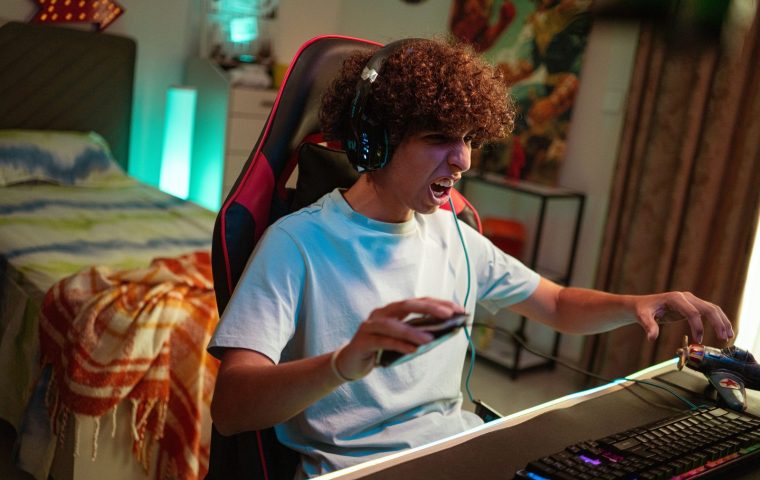

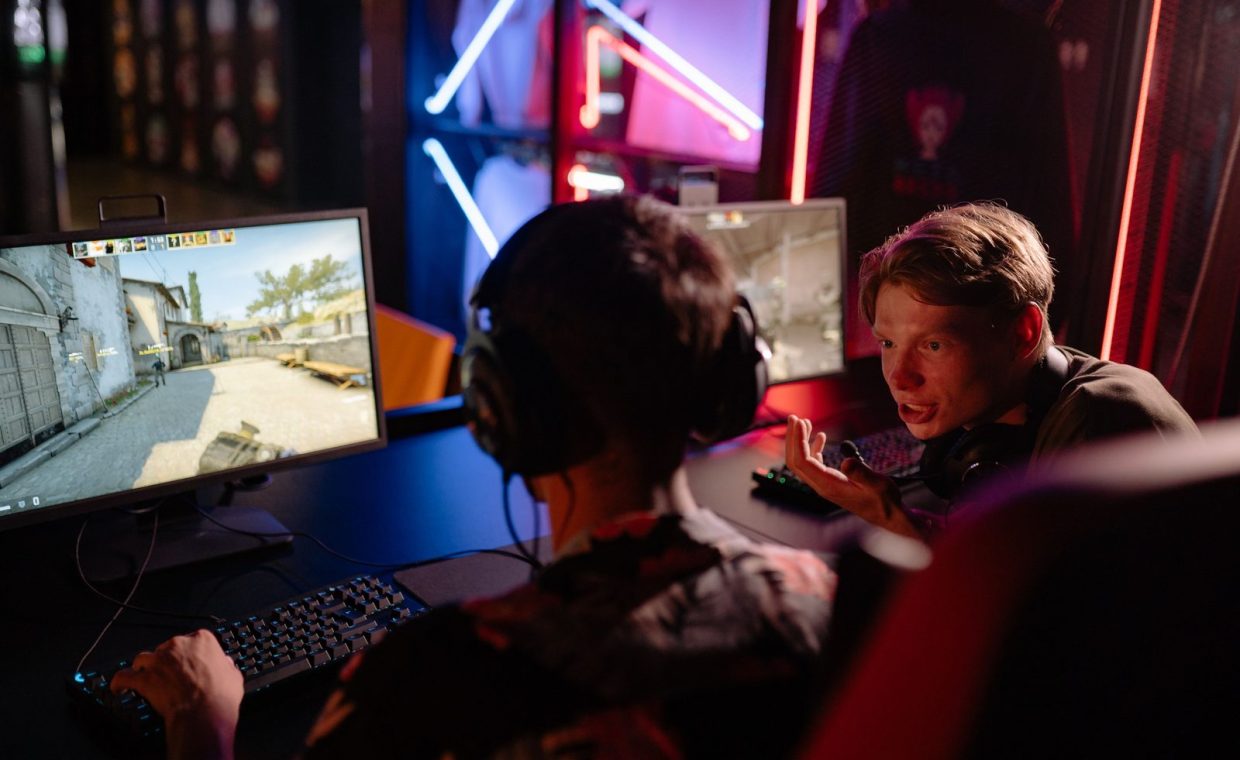
A few weeks back I watched a friend agonize over a $15 weapon skin in a shooter he has played for years. He owns the game. He has put in hundreds of hours. And there he was, wallet open, debating a cosmetic that does nothing to his accuracy. I asked him why. He shrugged and said, "It looks clean, and it's gone next week."
That little moment is the whole machine in miniature. Live service games do not sell you a finished product and walk away. They sell you a relationship, then keep finding gentle, repeatable reasons to ask for a little more.
I have been playing and writing about games for two decades, and I think this model gets either blindly defended or angrily dismissed without many people understanding the actual mechanics. So let me walk through how the money really moves, and how those decisions bend the game you sit down to play.
What "Live Service" Actually Means
A live service game is one designed to be played and updated continuously, often for years, with most of the revenue arriving after the initial purchase (or after you download it for free). Think Valorant, Destiny, Fortnite, or a long-running MMO.
The opposite is the old model: you buy Elden Ring or Baldur's Gate 3, you play it, you finish it, and the developer's job is basically done aside from a patch or an expansion. That is a complete product. A live service game is more like a restaurant that needs you to come back for dinner every week.
In a traditional game, the sale is the finish line. In a live service game, the sale (or the free install) is the starting whistle. Everything interesting financially happens afterward.
The common myth is that "live service" just means "online multiplayer." It does not. Plenty of online games are not live service, and a few single-player games flirt with the model through ongoing content. The defining trait is the ongoing money, not the always-on connection.
Battle Passes: Renting Your Own Progress
A battle pass is a tiered reward track that you unlock by playing during a fixed season, usually a couple of months. There is often a free track and a paid track that costs around $10. Hit the tiers, earn the loot.
The genius of it, and I mean that with a raised eyebrow, is that it ties spending to time. You already paid, so now you feel a pull to actually play enough to get your money's worth before the season ends. Fortnite popularized this and roughly everyone copied it.
Here is the myth worth dispelling: a battle pass is not "free cosmetics for playing." It is a structured reason to keep showing up on a schedule the developer sets. The reward is real, but so is the obligation it manufactures.
Before buying a pass, ask honestly how many hours you will play this season. If the answer is "not many," you are buying a chore, not a deal. A pass only respects your time if you were already going to spend that time anyway.
Cosmetics and the Psychology of the Store
Cosmetics are the quiet engine of modern live service. Skins, emotes, weapon charms, finishers. None of it affects gameplay, and that is precisely why it works so well as a business.
Because cosmetics do not touch balance, studios can sell them aggressively without the "pay to win" backlash. My friend's $15 skin is the model functioning exactly as designed: pure self-expression, priced like a small luxury, rotating in and out so scarcity does the persuading.
The rotating shop is the part people underrate. When an item is here for 48 hours and then gone, your brain treats the decision as urgent. That urgency is a feature, not an accident.
Premium currencies (V-Bucks and the like) exist partly to blur the price. Spending "800 coins" feels softer than spending "eight real dollars," and the coin bundles rarely match the item prices, so you almost always have leftover currency nudging you toward one more purchase.
How the Money Shapes the Design
This is the part curious players miss, and it is the part I care about most. The revenue model does not just sit on top of the game. It reaches down and shapes the design itself.
If the game earns through a seasonal battle pass, the developer is heavily motivated to build daily and weekly challenges, because engagement is the thing being monetized. That can be great (a reason to log in) or exhausting (a second job with a loot table).
If the game earns through cosmetics, expect a steady drip of new characters, maps, and flashy effects, because fresh content is fresh inventory. Compare that to how a smaller team operates, where every feature is a real budget decision. The trade-offs between scope and money are something I dug into in this look at how studio budgets shape what a game can be, and live service amplifies all of it.
The Friction Question
The honest tension is friction. A profit-maximizing live service game wants just enough grind to make the paid shortcut tempting, but not so much that you quit in frustration. The best studios tune this carefully. The worst ones cross into making the free path feel deliberately miserable.
Free to Play Is Not Free
"Free to play" means free to download and free to play the core loop. It does not mean free to enjoy without limits. The model relies on a small percentage of highly invested players (the industry calls them "whales") to fund the experience for everyone else.
A concrete example: a competitive shooter can give you the entire ranked mode at no cost, then make its money entirely from people buying weapon skins. You can climb to the top tier without spending a dime, which is genuinely fair, while the store quietly bankrolls the servers.
The myth here cuts both ways. Free to play is not automatically predatory, and paid up front is not automatically clean. A $70 game with an aggressive cash shop can be greedier than a free game that only sells cosmetics. Judge the actual practices, not the price tag on the front door.
| Model | You pay | How it earns long term | Main risk to you |
|---|---|---|---|
| Premium (one purchase) | Up front, around $60-70 | Expansions, sequels | Content may dry up |
| Battle pass | Per season, around $10 | Recurring seasonal buys | Pressure to keep playing |
| Cosmetics shop | Per item, varies | Constant new inventory | Impulse and FOMO spending |
| Subscription | Monthly fee | Steady recurring revenue | Paying during dry months |
The Catch Nobody Puts in the Trailer
Here is the uncomfortable part for someone like me who values owning what I buy. A live service game lives on the company's servers, and when those servers go dark, the game can simply vanish. No offline mode, no save file you can revisit in ten years.
This is a real cultural loss, and it is why the conversation around keeping older games playable for future players matters more every year. A finished single-player game is a book on your shelf. A shut-down live service game is a library that got demolished overnight.
There is also the churn of the so-called meta. Live games constantly rebalance weapons and characters to keep things fresh and, frankly, to sell the next shiny thing. If you want to understand why your favorite loadout keeps getting nerfed, I broke that cycle down in how the competitive meta actually shifts.
Live service games trade a one-time sale for an ongoing relationship. Battle passes monetize your time, cosmetics monetize your self-expression, and free-to-play leans on a few big spenders. The model funds years of updates, but it also bends design toward retention and can erase a game entirely when support ends.
How to Be a Smart Player in This System
You do not have to opt out of live service games to play them wisely. I still pour real hours into a couple of them. The trick is staying aware of which lever is being pulled on you.
Set a monthly cap and treat the in-game store like any other subscription. Skip the battle pass in seasons you know you will not finish. And remember that a rotating shop timer is engineered to feel urgent, even though almost every cosmetic eventually comes back around.
Most of all, keep asking the question I apply to every game: does this respect my time and my money, or is it just farming both? Once you can see the machine clearly, you get to enjoy the good parts on your own terms.
Are all live service games designed to be predatory?
No. The model is a tool, and plenty of studios use it fairly, selling only cosmetics and letting you earn everything competitive for free. Predatory design is a choice some teams make, not a built-in feature of the format. Judge each game by its actual store and grind, not the label.
Is a battle pass worth the money?
It depends entirely on how much you will play that season. If you reliably log in enough to finish the track, a roughly $10 pass usually returns more cosmetic value than buying items individually. If you play casually or sporadically, you are likely paying for rewards you will never unlock.
What happens to my purchases if the game shuts down?
In most cases, they disappear with the servers. Skins, currency, and progress are tied to the company's online infrastructure, so when support ends you generally lose access entirely. That impermanence is one of the biggest trade-offs of the live service model, and it is worth factoring in before you spend heavily.
I do not think live service is good or evil. It is a business model, and like any model it can be run with respect or with contempt for the person holding the controller. Now that you can spot the battle pass timer, the rotating shop, and the gentle nudge of premium currency for what they are, you are a much harder player to manipulate. Play the ones you love, set your own limits, and make the store earn every dollar.