
It was 11:40 on a Tuesday when I told myself: one more run. Work in the morning, alarm already set, the responsible thing was to close the laptop. Instead I watched a small blue chip counter tick upward and a hand of eight cards fan out across the table.
I looked up and the clock read 1:15. My "one more run" had quietly become four of them, and I had a joker build going that multiplied my score into numbers that stopped feeling like poker and started feeling like a slot machine mid-jackpot. I closed the game annoyed at myself and opened it again the next night at 9.
Balatro is a poker roguelike from a solo developer who goes by LocalThunk. It launched in February 2024 for around fifteen dollars, it does not connect to anything, and it has no story. What it has instead is a loop so tight and so quietly cruel that I have watched sensible adults reorganize their sleep around it.
What Balatro Actually Is
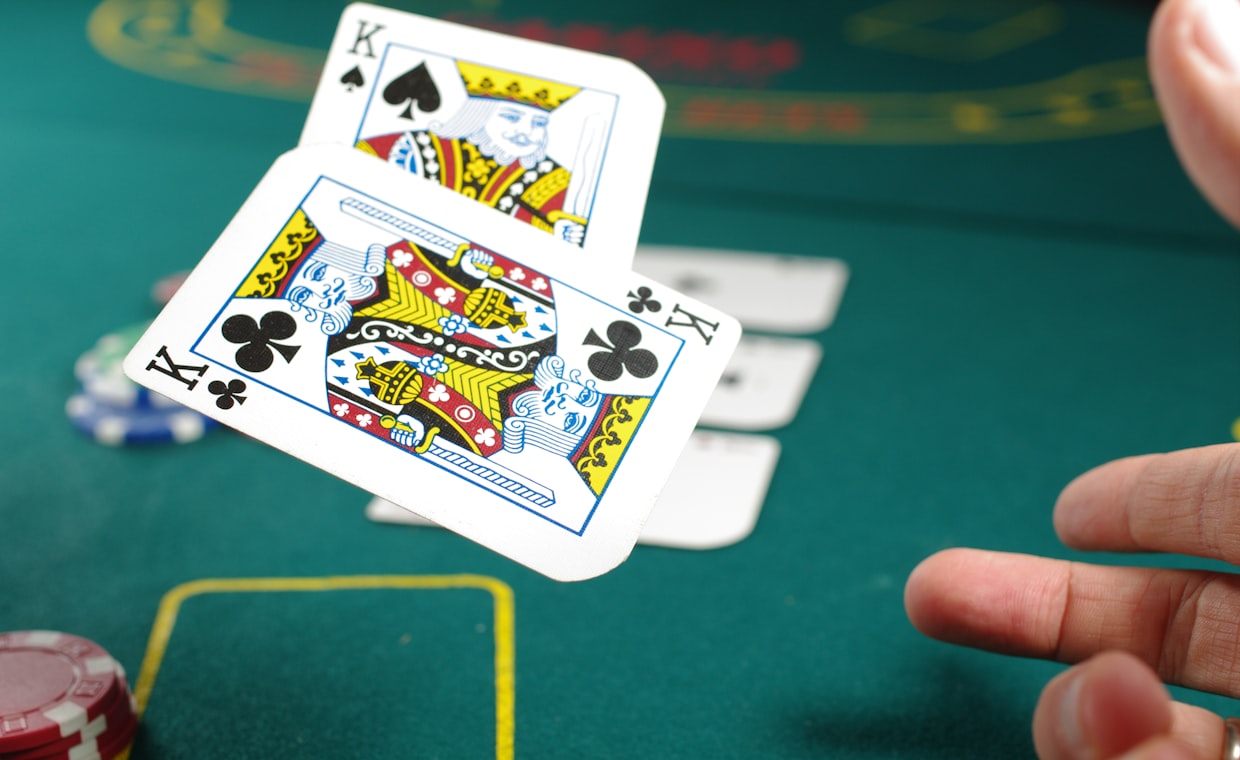
Strip away the marketing and Balatro is a card game where you build poker hands to hit a score target. Each "blind" gives you a number to beat, you get a limited number of hands and discards, and if you clear the target you move on. Fail, and the run ends.
The twist is that poker here is a chassis, not the point. You are not playing against other people or bluffing anyone. You are assembling a scoring engine out of jokers, and the actual poker hands are just the fuel you feed into it.
A pair might be worthless on its own. Slot the right joker next to it and that same pair suddenly scores more than a straight flush would have ten minutes ago. The game is really about spotting which broken combination is hiding in the cards you were dealt.
The Loop That Eats Your Evening
The addiction, and I use that word carefully, comes from how short each decision is against how long the run feels. A single hand takes seconds. A full run takes maybe thirty to forty minutes. That gap is the trap.
Because every hand is fast, quitting always feels premature. You are never more than a few clicks from the next little hit of feedback, the chips sliding up, the multiplier flashing, the satisfying chunk of a blind cleared. Your brain files each one as a tiny win and asks for another.
Then there is the escalation. Balatro's scoring is exponential, so a run that starts with you scraping together three hundred points ends with you casually producing forty million. Watching your own numbers spiral out of control is genuinely thrilling, and it happens right at the moment you should be going to bed.
Short decisions plus long runs plus exponential payoff means you are always close to a reward and never at a clean stopping point. That combination is what turns a fifteen minute session into two hours before you notice.
Where the Deck Gets Deep
The surface is simple enough that my non-gaming brother understood it in one sitting. The depth shows up over dozens of runs, as you meet more of the roughly 150 jokers and start seeing how they chain together.
Some jokers add flat chips. Some multiply your score. The rare and dangerous ones scale, growing stronger every hand or every round, so a quiet card you picked up early can become the entire reason you win by the end.
Builds you start to recognize
After a while you stop reading cards and start reading strategies. You learn that a flush build wants you hoarding one suit, that a high-card build can be absurd with the right two jokers, that certain combinations basically break the game in half.
That recognition is the good kind of learning curve. It is not memorizing menus, it is developing taste. You begin to feel which shop purchases are traps and which quiet uncommon joker is secretly the key to the whole run.
The Rough Edges
I like Balatro a lot, which is exactly why I want to be honest about where it wears thin. This is not a flawless game, it is a very focused one, and focus has costs.
There is no narrative, no world, no characters beyond a grinning joker face. If you need a reason to care beyond the numbers, Balatro will not hand you one. It is closer to solitaire than to an adventure, and some nights that emptiness shows.
Variance can also sting. Because so much rides on which jokers appear in the shop, a run can be quietly doomed by bad offerings through no fault of your own. Skilled play tilts the odds, but it does not erase the moments where the game simply does not give you the pieces.
How It Stacks Up
Balatro sits in the roguelike deckbuilder family, but it plays differently from the usual suspects. Here is roughly how I would place it against a few games people tend to compare it to.
| Game | Core hook | Session length | Best for |
|---|---|---|---|
| Balatro | Poker scoring engine, exponential payoff | 30-40 min per run | Number chasers, short bursts |
| Slay the Spire | Deck synergy, enemy patterns | 60-90 min per run | Tactical planners |
| Hades | Action combat, story between runs | 25-45 min per run | Players who want narrative |
| Luck Be a Landlord | Slot-machine income builder | 20-40 min per run | Fans of pure math loops |
If you want combat and a slowly unfolding story wrapped around your runs, Hades is the obvious pick, and I broke down exactly who is Hades actually for in a separate piece. Balatro strips all of that away and keeps only the mathematical rush.
Who Should Actually Play It
Balatro is for people who like watching systems snap together and produce a result far bigger than the parts suggested. If you have ever spent too long optimizing a spreadsheet for fun, this game was built in your honor.
It is also one of the easiest recommendations I can make on price alone. At fifteen dollars it belongs on any shortlist of indie gems under twenty dollars, and the hours-per-dollar math is frankly ridiculous.
It is not for everyone, though. If you play games mainly for characters, dialogue, and a world to sink into, this will feel hollow. Someone who loves the writing-first, combat-free experience of Disco Elysium, the best no-combat RPG may find Balatro cold by comparison, and that is a completely fair reaction.
Is It Worth Your Time
For me, yes, with a caveat. I have put more hours into Balatro than into games that cost five times as much, and I do not regret a single one. But I also had to build guardrails around it, because it does not have a natural place to stop.
If you want a game that respects a tight budget, rewards curiosity, and asks nothing of you beyond attention, it is hard to beat. Just go in knowing what you are signing up for.
Do I need to know how to play poker?
Not really. You need to recognize basic hands like pairs, flushes, and straights, and the game shows you those as you go. The strategy is in the jokers, not in poker knowledge, so card-game newcomers pick it up quickly.
Is Balatro good on the Steam Deck or phone?
Yes, it is one of the better handheld and mobile fits around. The interface is built for single-hand play, sessions are short, and it runs on almost anything. Many players say the phone version is the most dangerous, since it is always in your pocket.
How long until I have seen everything?
The core loop clicks in a couple of hours, but the full spread of jokers, decks, and higher difficulty stakes takes dozens of hours to work through. Most players get their money's worth long before they run out of new combinations to try.
Balatro earned its reputation the honest way, by being fun in a manner that is hard to put down. It will not move you or tell you a story, but it will absolutely eat a weekend if you let it. Buy it, set a bedtime alarm, and blame me when you ignore it. Happy grinding.