
The first time the Crimson Heads showed up, I put the controller down. I had cleared the mansion years ago in the original, knew every zombie by the room it haunted, and felt clever for it. Then a corpse I had already dropped staggered back up, faster, redder, and very much over my nonsense. That single addition rewired how I played the whole game.
That moment is the heart of this whole debate. The remake is not a fresh coat of paint on the original. It rebuilds the bones, then dares you to navigate the Spencer Mansion like you have never been there.
So if you are a returning fan staring at your backlog, trying to decide which version deserves the weekend, this is the comparison I wish someone had handed me. Both are great. They are great in different ways, and they want very different things from you.
Setting the two versions side by side
The original is the genre's blueprint. Fixed camera angles, pre-rendered backgrounds, tank controls, and that famous door-loading animation that turned a hallway into a held breath. It is clunky by design, and a lot of its tension comes from fighting the camera as much as the monsters.
The remake keeps the soul and sands off the worst friction. Same mansion, same puzzles in spirit, but with reworked lighting, new rooms, the Crimson Head mechanic, and a defensive item system that lets you survive a grab if you are quick. It respects your memory of the place, then breaks it on purpose.
When people say "the remake" in this conversation, they almost always mean the survival-horror redo of the very first game, not the over-the-shoulder action reinventions of the later numbered entries. Those are a separate discussion entirely.
What the remake clearly fixed
Let me play it fair before I score it, because the remake earns most of its reputation.
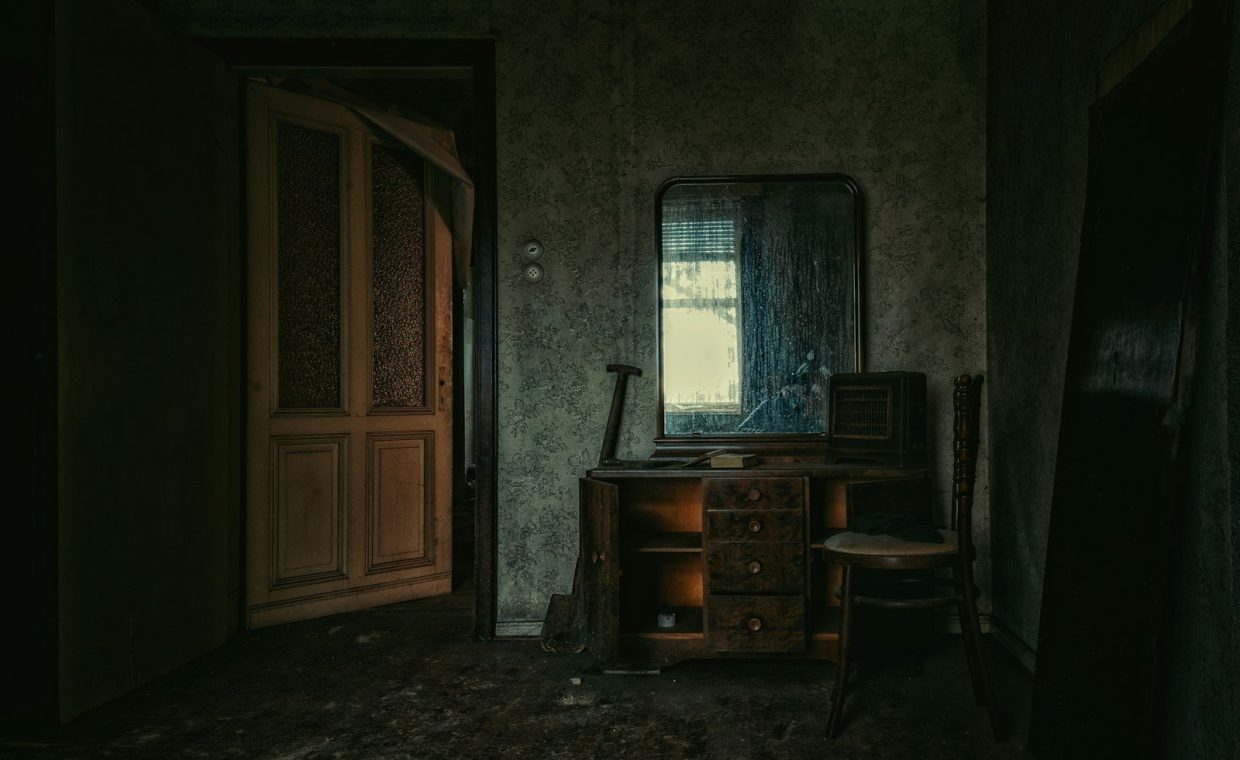
The lighting is the obvious win. Shadows actually mean something now, and the mansion feels lived-in and rotten instead of merely dark. The pre-rendered backgrounds got a huge resolution and detail bump, so the place reads as a real haunted house rather than a set of static screens.
The Crimson Head system is the smartest change. Every zombie you kill can come back angrier unless you burn the body, and kerosene is limited. That one rule turns the whole game into a resource-management puzzle layered on top of the horror.
Defensive items are the second big fix. Daggers and stun grenades let you escape a grab, which softens the unfairness of an old camera angle hiding an enemy. It is a small mercy that makes the brutal difficulty feel earned instead of cheap.
On a remake replay, map your kerosene runs before you start clearing rooms. Decide which corpses get burned and which you simply step around forever. Treating bodies as terrain is the whole skill ceiling here.
What the remake quietly lost
Here is where my honesty earns its keep. The remake is better, and it still gave a few things up.
The original's voice acting is famously stiff, and I will defend it to my last save slot. Lines like the infamous "Jill sandwich" exchange are camp gold, and the remake's straighter, more serious script trades that charm for atmosphere. You gain dread, you lose a certain goofy warmth.
There is also a purity to the original's restraint. With fewer enemy tricks, you learn the mansion as a fixed clockwork puzzle. The remake's added randomness and new areas are richer, but that crystalline "I have memorized this house" feeling is a little harder to reach.
And honestly, some of the original's jank is part of its identity. The hard cuts between camera angles, the deliberate awkwardness of turning around, the way a single grab could feel like a horror movie jump scare. The remake smooths edges that, for some of us, were load-bearing.
Comfort, controls, and getting back in
Both games default to tank controls, and that is the wall most returning players hit. Your character turns like a forklift, which was a deliberate tension device, not an accident.
The remake offers an alternate control scheme that maps movement to the stick more intuitively, and it makes a long replay far kinder on your hands. The original is stricter. If you have not touched tank controls in years, expect a rough first hour while the muscle memory wakes up.
This learning curve is its own reward, by the way. Reading enemy spacing through a fixed camera is a dying skill, and it sharpens the same instincts you use for spotting a boss tell before the attack lands. Old horror trains your eyes in ways modern over-the-shoulder games rarely ask for.
A head-to-head comparison
| Aspect | Original | Remake |
|---|---|---|
| Visual fidelity | Iconic but dated backgrounds | Richer lighting, far more detail |
| Enemy threat | Predictable, learnable | Crimson Heads add real tension |
| Difficulty feel | Brutal, occasionally unfair | Brutal but fairer with defense items |
| Controls | Tank only | Tank plus an alternate scheme |
| Tone | Campy, charming, stiff voice work | Serious, dread-forward, polished |
| Best for | Purists and history lovers | Most fans, especially returning ones |
Which version wins, and for whom
This is where I stop being diplomatic and actually score it.
For most returning fans, the remake wins. It keeps everything you loved, fixes the parts that aged poorly, and the Crimson Head twist gives even veterans something new to solve. If you only have time for one replay, make it this one.
The original wins for purists and people who care about game history. If you want to understand why this series shaped survival horror, why an entire wave of difficult, deliberate games owes it a debt, play the source. Its stiffness is the text, not a bug.
Do not start with the original expecting modern comfort. If smooth, forgiving controls are a dealbreaker for you, the remake's alternate scheme is the only version that will not actively frustrate you in the first hour.
There is also a third path: play the remake first, then go back to the original to feel the difference. That order taught me more about both games than either alone. It is the same approach I take with troubled launches that later get patched, the way I keep checking back on how a rocky release actually plays after the updates rather than freezing my opinion at launch.
The remake is the better overall game and the right pick for nearly everyone. The original is the better history lesson and still a genuinely scary night in. Neither one wastes your time.
Do I need to play the original before the remake?
No. The remake stands completely on its own and tells the same story more clearly. Play the original afterward only if you want to feel how far the rebuild pushed things.
Is the remake harder than the original?
In some ways, yes. Crimson Heads and tighter resources raise the pressure, but defensive items and the alternate controls make the experience feel fairer overall. It is hard in a smarter way.
Are tank controls really that bad?
They are an acquired taste, not a flaw. Give them an hour and they click. The remake's alternate scheme is there if they never do, so you are not locked out either way.
If you only take one thing from me, take this: the remake is the version I recommend to friends, and the original is the version I quietly replay when I want to remember why I fell for horror games at all. Pick based on which itch you are scratching this weekend. Either way, burn the bodies.