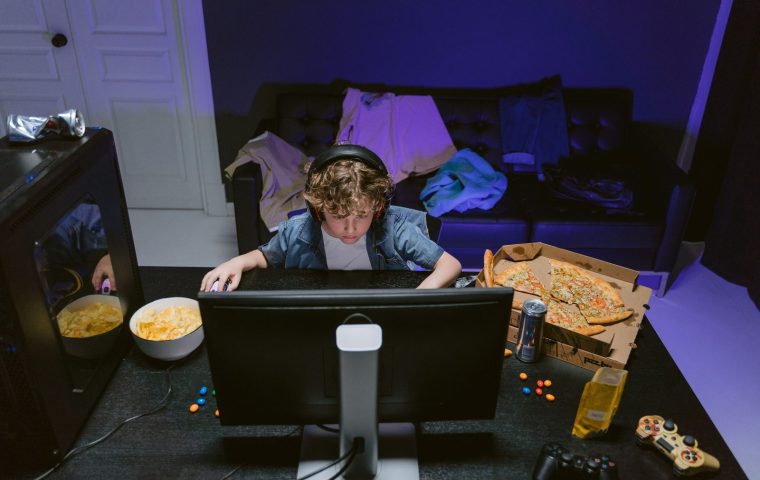

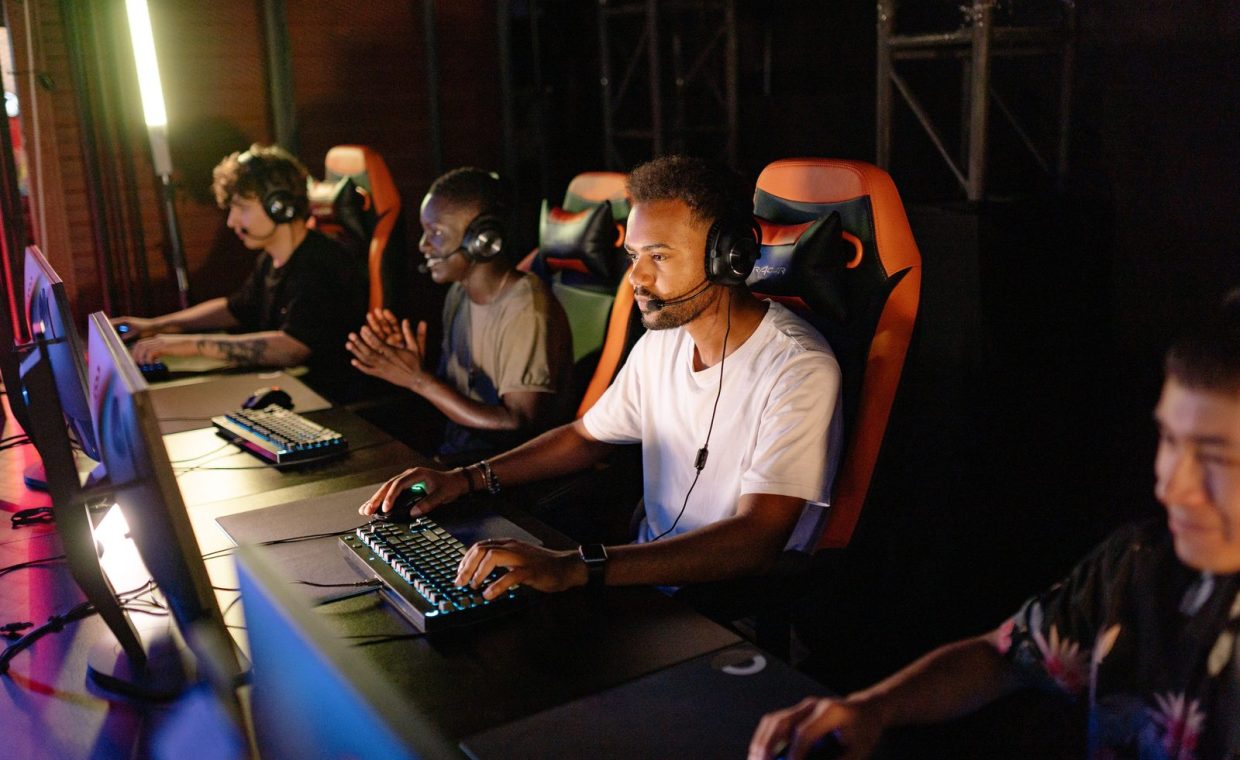
A few years back I watched a Valorant scrim where a 19-year-old missed five shots in a row, then calmly called out a rotation that won the round anyway. His aim that day was worse than half the ranked players I know. He still made everyone around him look slow.
That moment stuck with me because it broke the story most of us tell ourselves. We assume pros are just gifted, that they were born with reflexes we will never have. Sometimes that is true. More often, the gap is built out of boring, repeatable decisions that anyone can copy and almost nobody does.
I have spent two decades around competitive games, both grinding ladders myself and watching from press seats. The same patterns separate the top tier from the merely excellent, regardless of whether the game is a shooter, a fighting game, or a strategy title. Let me walk through them one concept at a time.
Deliberate Practice Beats Time Played
Skilled amateurs grind. Pros train. Those are not the same thing, and the difference is enormous.
Deliberate practice means working on a specific weakness, with a clear goal, and a way to measure whether you improved. A pro will spend an hour doing nothing but crosshair placement drills, or labbing one fighting game combo until the input is automatic. There is no fun in it. That is sort of the point.
The amateur version looks like queuing for ranked, playing twelve games, and calling it practice because it took three hours. You did get reps. You also reinforced every bad habit you already had, twelve times.
Pick one weakness per week. Spend the first 20-30 minutes of every session drilling only that, before you touch matchmaking. Movement, recoil control, last-hitting, blockstrings, whatever your replays keep punishing.
The myth: more hours always equals more skill
I have met players with 4,000 hours stuck in the same rank they hit at 800. Time is necessary but it is not the variable that matters. Two hundred focused hours will beat a thousand mindless ones, and I have watched that play out more times than I can count.
Pros Watch Their Own Losses
Here is the habit that costs nothing and almost nobody does. Pros review their own demos, especially the losses, looking for the moment the round was actually lost rather than the moment the kill cam showed.
A concrete example. You die in a 2v2 retake and blame your aim. The demo shows you took the fight from a spot with no cover, after your teammate already died, with no smoke for the angle. The aim was never the problem. The decision 15 seconds earlier was.
That kind of self-review is uncomfortable because it removes your excuses. Skilled amateurs avoid it for exactly that reason. The top tier sits in the discomfort because that is where the cheap improvement lives.
When you rewatch a loss, do not ask "where did I miss." Ask "where did I make a decision that put me in a position to miss." That second question is where positioning, timing, and game sense all show up. If you want a structured starting point, work through how to improve your positioning in competitive shooters and review your demos against those principles.
Fundamentals Over Flash
Watch a pro stream and you might be underwhelmed. The plays often look simple. They take the boring angle, they trade efficiently, they do the unglamorous thing on repeat.
That restraint is the skill. Amateurs chase highlight moments, the flick, the clutch, the 1v4. Pros understand that consistency wins matches and flashy plays mostly win clips. A clean default every single round beats a god round once an hour.
The myth here is that high-level play is exciting and acrobatic. At the very top it usually becomes more disciplined, not less. The mechanical ceiling is so high that the real fight moves into decision-making, economy, and timing.
The best players are not the ones doing the most impressive things. They are the ones making the fewest mistakes while still applying pressure.
They Manage Tilt Like a Resource
Everyone tilts. The difference is what happens next.
A skilled amateur loses two rounds, gets frustrated, forces a bad aggressive play, loses a third, and the spiral is on. By round six the match is decided more by mood than by skill. I have done this. You have done this. It is deeply human.
Pros build routines to interrupt that loop. A deep breath between rounds, a fixed reset ritual, a hard rule to never queue again after two tilted losses. It sounds like self-help nonsense until you realize how many ranked games are thrown by emotion rather than mechanics.
If you notice you play worse late at night or after a bad day, that is not a coincidence and it is not weakness. Recognize the pattern and stop queuing. The rank you protect tonight is the rank you keep tomorrow.
Understanding the Format You Compete In
This one separates players who want to go pro from players who just want to be good. The top tier studies the competitive structure itself, not only the game.
Single elimination, double elimination, Swiss, group stages with seeding. Each format rewards different risk tolerance. A best-of-one demands a safe, low-variance comp. A best-of-five lets you gamble on a read because you have rounds to recover. Amateurs play every match the same way. Pros adjust their approach to the stakes in front of them.
If you have never thought about this, it is worth understanding how tournament formats actually work before your first real bracket. You will play differently in a do-or-die match than in a forgiving one, and that adjustment alone can carry you past players with better aim.
A small example
In a Swiss event, your first match against a weak seed is not the time to test a spicy strategy. Bank the easy win, save your surprises for the elimination rounds where one upset changes everything. That is format awareness, and it is pure free value.
Gear and Setup, Settings That Disappear
Pros obsess over consistency in their setup, then stop thinking about it. The point of dialing in your gear is to make it invisible so it never enters your mind mid-match.
That means a stable frame rate over maxed-out visuals, a sensitivity you keep for months rather than tweaking weekly, and hardware that does not surprise you. A 1440p monitor with a high refresh rate and a mechanical keyboard you trust beats a flashier rig that introduces variables. Reliability is the feature that matters.
The fastest way to stall your progress is changing your sensitivity every time you lose. Lock it in, give your muscle memory 20-30 hours to adapt, and only then evaluate. Constant tweaking means you never actually train, you just keep restarting from zero.
And no, the gear is not what is holding you back. The myth that pro hardware makes pro players gets the arrow backwards. The hardware budget gap between titles is real, much like the difference budget makes between indie and AAA games, but a strong player on a modest setup will still dismantle a casual on a $4,000 rig. Skill scales with habits, not price tags.
They Treat Improvement as a System
The thread running through all of this is that pros do not rely on motivation. They build systems that produce improvement whether they feel like it or not.
Warmup routine, weakness of the week, demo review schedule, a sleep and play schedule that keeps them sharp. None of it is glamorous. All of it compounds. The amateur waits to feel inspired and then plays a lot. The pro shows up on the bad days too, which is most days.
Talent sets your starting point. Systems set your ceiling. Pros win the long game by making good habits automatic, so improvement keeps happening even when they are tired, frustrated, or bored.
Can I reach a pro level if I started gaming late?
Reaction speed does favor the young, so the very top of twitch-heavy shooters skews early. But strategy games, fighting games, and team roles that reward game sense are wide open to late starters. Plenty of high-level players peaked in their late twenties because experience and decision-making kept improving long after raw reflexes plateaued.
How many hours a day do I actually need to practice?
Quality matters far more than raw volume. Two focused hours, with a clear weakness to work on and a habit of reviewing your losses, will outpace six hours of mindless queuing. Most improving players overestimate how much time they need and underestimate how much focus they are missing.
Does my hardware really not matter for ranking up?
It matters up to a point, then it stops. A stable frame rate, a responsive monitor, and a setup you trust remove distractions. Past that baseline, spending more buys you almost nothing in rank. A skilled player on modest gear will beat a casual on an expensive rig nearly every time.
None of this is secret, which is the frustrating and freeing part. The habits that build pros are sitting right there for anyone willing to be a little bored and a little honest with themselves. Pick one thing from this list, the demo review or the locked settings or the tilt rule, and run it for a month. You will not become a pro, but you will leave a lot of skilled amateurs behind, and that is a pretty good place to start.