
A friend of mine, a solid mid-Gold Valorant player, sent me a clip last month of him whiffing a wide-open shot on a stationary enemy. He captioned it "I have no hands." I watched it five times. His crosshair was nowhere near head level when the fight started, he flicked too far, then corrected back through the target. That single second had three separate aiming mistakes stacked on top of each other.
Here is the thing nobody likes hearing: aim is not a gift. It is a stack of small habits, most of which you can build on purpose. I spent a few years grinding ranked shooters as an amateur, and the players who improved fastest were rarely the ones with the best reflexes. They were the ones with a routine.
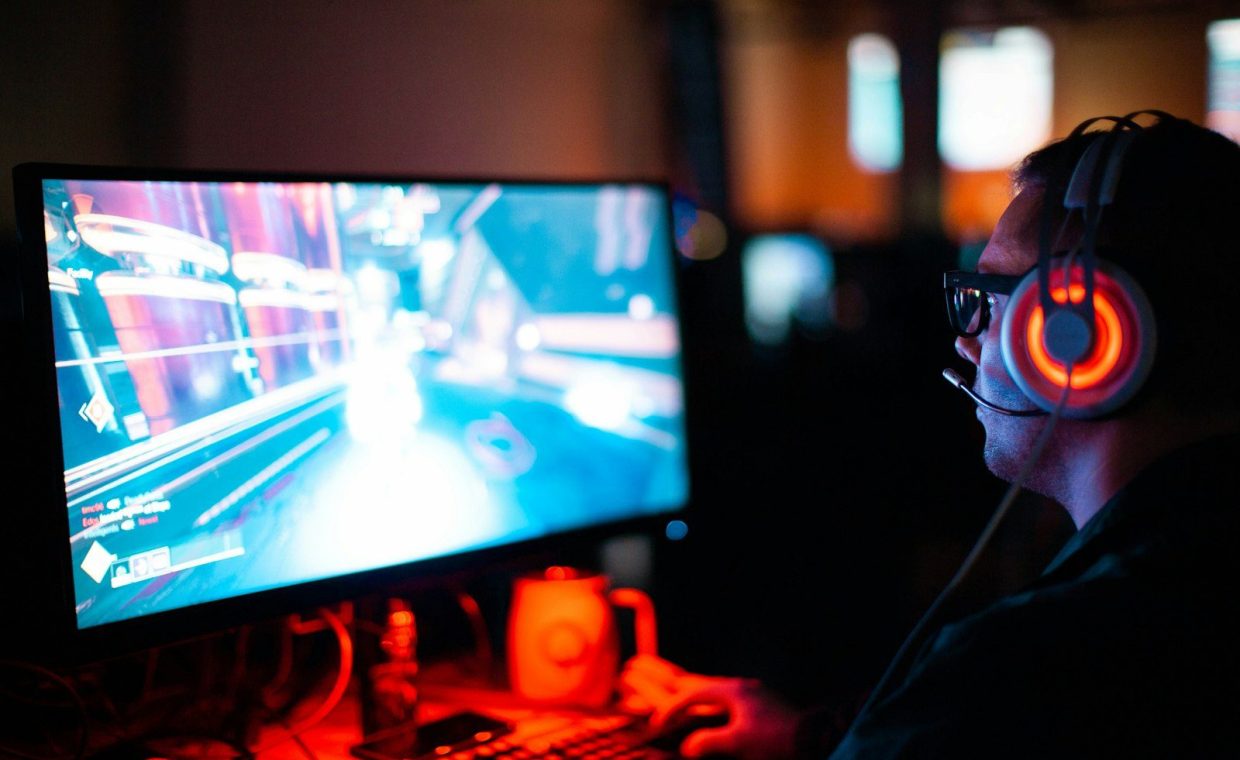
So let's build you one. This is a sequence you can run in roughly 30-40 minutes a day, and it works whether you live in Valorant, CS2, Apex Legends, or Overwatch 2.
Lock Your Sensitivity Before You Do Anything Else
You cannot build muscle memory on a moving target. If your sensitivity changes every other day, every rep you put in gets thrown out the window. Pick a number and commit to it for at least two weeks before you judge it.
A good starting range for most players is somewhere that lets you do a full 180-degree turn with a single forearm sweep across your mousepad. If you are lifting your mouse three times to turn around, you are too high. If you run out of desk before you finish a flick, you are too low.
eDPI is your in-game sensitivity multiplied by your mouse DPI. It lets you compare across games. Most competitive players land somewhere in the 800-1600 range. Find yours, write it down, and stop touching it.
Mouse DPI matters too. A lot of players run absurdly high DPI out of the box. Set it to 800 in your mouse software and adjust the in-game number from there. While you are in the menus, this is also a good moment to sort out the rest of your config, because the wrong settings you change the moment a new game installs can quietly sabotage your aim for weeks.
Warm Up Like It Actually Matters
Jumping straight into ranked cold is how you donate the first two rounds. Your hands need 5-10 minutes to wake up, the same way a real athlete stretches before a match.
Aim trainers like Aim Lab or Kovaak's are the standard, and they are great, but you do not need them. A custom game with bots, or the built-in practice range in your shooter of choice, does the job. The point is the reps, not the software.
Run this short circuit before every session:
- Static clicking: hit stationary targets, prioritizing precision over speed. Slow down until you stop missing, then speed up.
- Flicking: snap from one target to the next, then immediately correct any overshoot.
- Tracking: keep your crosshair glued to a moving target for several seconds at a time.
Five minutes on each. That is it. The goal is not to grind for hours, it is to arrive at your real games already warm.
Fix Your Crosshair Placement First
This is the single biggest free upgrade for average players, and it has almost nothing to do with reflexes. Crosshair placement means keeping your aim at head level and pre-aimed at the spots enemies are likely to appear, before you ever see them.
Watch your own deaths back. I bet a huge chunk of them start with your crosshair pointed at the floor or the sky as you round a corner. If your aim is already where the enemy's head will be, you barely have to move. The fight is half won before it starts.
Walk through a map in a private match and consciously hold your crosshair at head height the entire time. Pre-aim every corner. Do it slowly. After a few runs it stops being a chore and becomes automatic, which is exactly the point.
Good placement turns hard flicks into tiny adjustments. The best aimers I have played with rarely make flashy flicks, because they almost never need to.
Train Movement and Aim Together
Here is where a lot of average players plateau. They can hit a bot standing still in a practice range, then freeze or strafe wildly in a real fight. Raw aim and movement are not separate skills, and treating them that way keeps you stuck.
Most tactical shooters punish you for shooting while moving. Your bullets spread when you run, so the skill is the counter-strafe: stop moving for a split second, fire, then move again. Drill the stop-and-shoot rhythm until it is reflex.
Spraying while strafing at full speed and wondering why nothing connects. In games with strict accuracy penalties, a moving crosshair is a missing crosshair. Stop, shoot, then reposition.
Spend a few rounds doing nothing but peeking a corner, stopping cleanly, and tapping the bot's head. It feels basic. It is also the foundation that separates Gold from Diamond.
Review the Tape, Not Your Feelings
After a session, your gut will tell you a story. The story is usually wrong. "I had no hands today" almost always means something specific went sideways, and you can only find it by watching.
Record your gameplay or use the in-game replay system. Pick three deaths and ask one question for each: where was my crosshair when the fight started? Most of the time the answer is "too low" or "off to the side," which is fixable.
| What you feel | What is usually happening | The fix |
|---|---|---|
| "My aim is shaky" | Sensitivity too high | Lower eDPI, retrain for two weeks |
| "I keep getting beamed first" | Bad crosshair placement | Pre-aim at head level around corners |
| "I miss easy shots" | Shooting while moving | Drill the stop-and-shoot timing |
| "I fall apart late" | Fatigue, not aim | Shorter sessions, more breaks |
This honest review loop is what turns random practice into actual improvement. You are debugging yourself.
Tune Your Setup So It Stops Fighting You
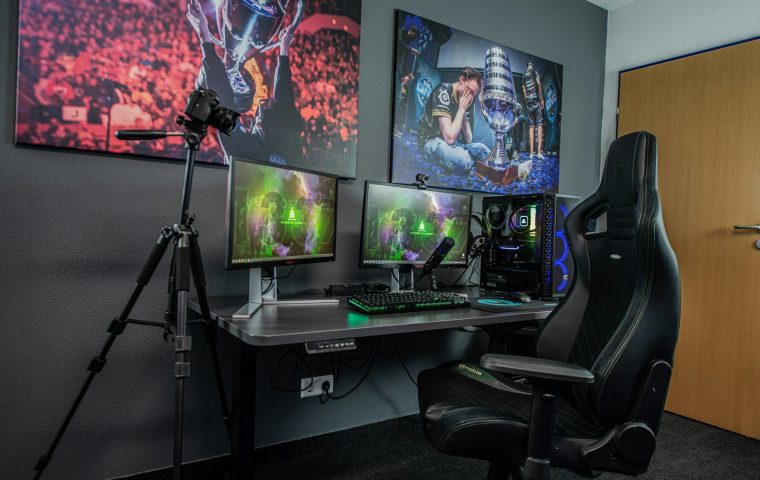
Aim is mechanical, and mechanics live in hardware. You do not need a pro's rig, but a few things genuinely move the needle. A higher refresh rate monitor, even a 144Hz panel, makes moving targets dramatically easier to track than a stale 60Hz display.
A large cloth mousepad gives you room for low-sensitivity arm aiming. A mouse that is not too heavy helps with quick corrections. None of this replaces practice, but bad gear quietly caps your ceiling.
Stable frames beat high frames. A jittery, fluctuating framerate makes your aim feel inconsistent even when your hands are fine. Cap your FPS at a number your PC can hold steadily and the input will feel much cleaner.
If you are gaming on something portable like a Steam Deck, lean toward titles built for that input rather than expecting controller aim to match a mouse. Different tool, different routine.
Protect Yourself From Burnout
The fastest way to ruin your aim is to grind until your hands ache and your patience snaps. Tilt makes you peek recklessly, sensitivity-swap in a panic, and undo weeks of habit-building in one ugly evening.
Keep sessions to a length you can sustain. Two focused hours with warmups and breaks beats six hours of frustrated queueing. If you lose three in a row and feel your jaw clench, log off. The ladder will still be there tomorrow.
It also helps to have games that scratch a different itch on your off days. The patience and read-the-room timing you build fighting a tough endurance check, like learning to read patterns on your first big Soulslike boss, carries over to staying calm in a clutch round more than you might expect. And honestly, a slow night wandering somewhere open and quiet, the kind of unhurried exploration I praised in my look at how Elden Ring handles its open world, resets your brain better than another tilted queue ever will.
A Realistic Weekly Routine
Pulling it together, here is a schedule that does not eat your life:
- Every session: 10 minutes of warmup drills, no exceptions.
- Three days a week: 15 minutes of focused crosshair placement and stop-and-shoot drills before ranked.
- Once a week: review three deaths on tape and write down one pattern to fix.
- Always: stop when you tilt, and never change sensitivity mid-session.
Do that consistently and you will climb. Not overnight, but the kind of steady improvement that actually sticks.
Lock your sensitivity, warm up every time, fix crosshair placement before anything fancy, drill movement and aim together, review your deaths honestly, sort out your hardware, and quit before burnout. Aim is a habit you build, not a talent you are born with.
How long until I actually see my aim improve?
If you warm up consistently and drill crosshair placement, most players notice a real difference within two to three weeks. The deeper mechanical gains keep coming for months, but the early jump from a fixed sensitivity and better placement is fast and obvious.
Do I need a paid aim trainer to get better?
No. Paid trainers like Kovaak's and Aim Lab are convenient and well designed, but the practice range or a custom bot match in your shooter covers the same fundamentals. The reps matter far more than the software you do them in.
Should I use a high or low sensitivity?
Most competitive players land on the lower side, roughly an 800-1600 eDPI, because arm aiming is more consistent than wrist flicking. Start there, give it two weeks, and only adjust if you genuinely cannot turn or track comfortably.
None of this is glamorous, and that is the point. The players who climb are not chasing a magic config or a new mouse every week. They show up, run the routine, watch their mistakes without flinching, and log off before they tilt. Pick one of these steps, start tomorrow, and let the rest fall into place from there.