
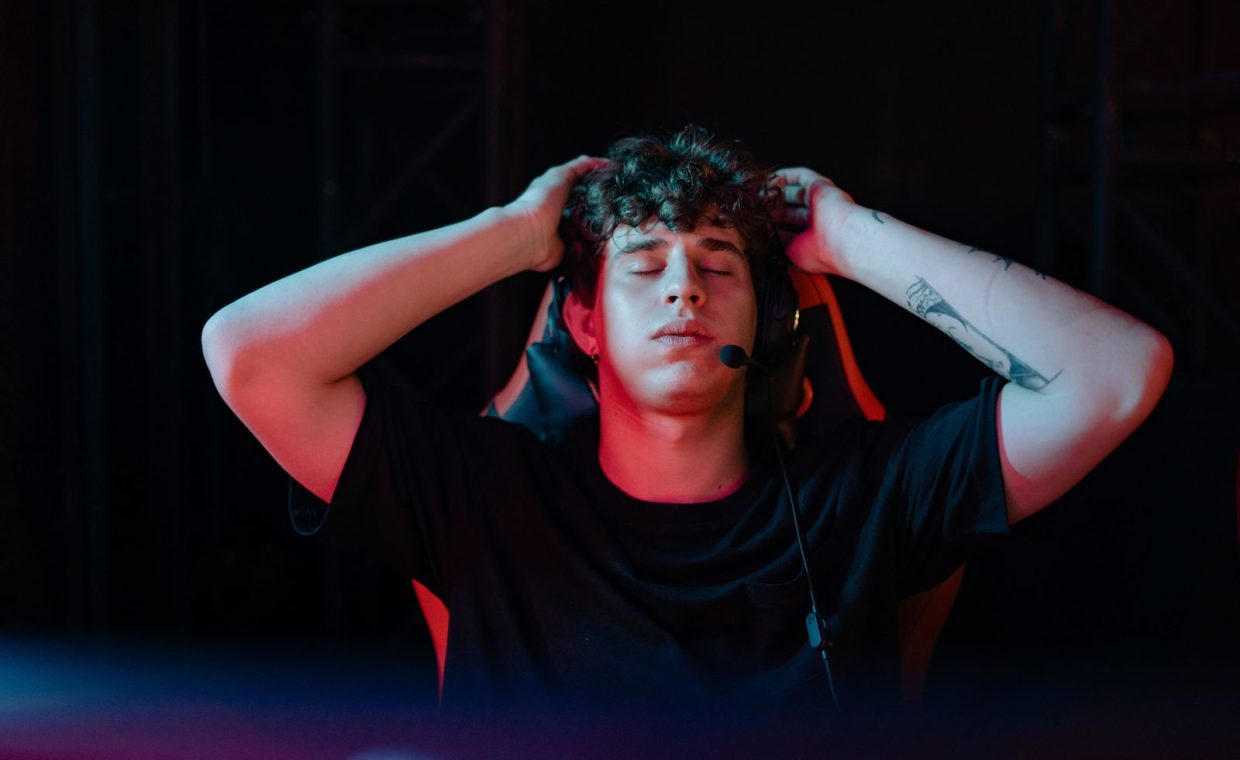
A friend of mine, a Diamond-rank Valorant player who used to text me clutch clips at 2am, sent me something different a few months back. It was a screenshot of his weekly playtime, around 40 hours, with one line underneath: "I don't even like this anymore." He wasn't quitting because the game got worse. He was quitting because he couldn't remember the last time he turned it on for fun.
That story is more common than the highlight reels suggest. Burnout doesn't only hit pros grinding for a slot at a major. It hits the Stardew Valley player who turned a cozy farm sim into a min-maxing spreadsheet, and the Elden Ring fan who beat the game twice and now feels guilty for not starting a third run.
The good news is that burnout is a habit problem far more than a willpower problem. You can fix it by changing what you do before, during, and after you play, in a specific order. Here is the routine I rebuilt my own gaming around after a bad stretch of reviewing the same shooter for three weeks straight.
First, Name What You Are Actually Feeling
Before you change anything, figure out which kind of tired you are. Physical fatigue, the sore wrists and dry eyes kind, is different from the emotional flatness where nothing feels rewarding anymore.
Spend one honest session paying attention. Are you closing the game irritated? Bored? Anxious about ranked decay? Each of those points to a different fix, so guessing wrong wastes weeks.
Ask yourself one question after your next session: "Did I want to play, or did I feel like I had to?" If the answer is "had to" three sessions in a row, that is burnout talking, not laziness.
Write the answer down somewhere, even a phone note. Naming the feeling turns a vague fog into a problem you can actually attack with the steps below.
Next, Audit Your Hours Without Judgment
Steam tracks your playtime. Most consoles do too. Pull up the last two weeks and look at the real number, not the one you assume.
People are usually off by a lot. The player who "barely games during the week" finds 12 hours hiding in 30-minute chunks. The number isn't there to shame you. It is your baseline.
Now sort those hours into two buckets: sessions you genuinely enjoyed, and sessions you played on autopilot. That second bucket is where your time is leaking, and it is the first thing to trim.
For one week, label each session in your notes app with a single word: "fun," "meh," or "drained." Patterns show up fast. You might learn that solo queue at night drains you, while co-op on weekends recharges you.
Then Build a Pre-Game Ritual That Sets a Limit
Burnout loves open-ended sessions. "Just one more game" becomes five because nothing told you to stop. So decide your stopping point before you start, not during.
Pick a concrete cap. Two ranked games, one dungeon clear, 45 minutes on the farm. Set an actual timer if you have to. The point is that the decision happens while your judgment is fresh, not while you are tilted and chasing a loss back.
This matters even more if you are climbing competitively. The best ranked progress usually comes from short, focused sessions, something you can see clearly in this case study of a mid-tier team's climb, where shorter scrim blocks beat marathon practice every time.
During Play, Protect Your Body Like It Is Hardware
You wouldn't run a GPU at 90 degrees for six hours without airflow. Your hands, eyes, and back deserve the same care, and ignoring them is how a hobby starts to hurt.
The fix is boring and it works. Every 45 to 60 minutes, stand up, look at something far away for 30 seconds, and stretch your wrists. That is it.
Set up the room so good habits are easy
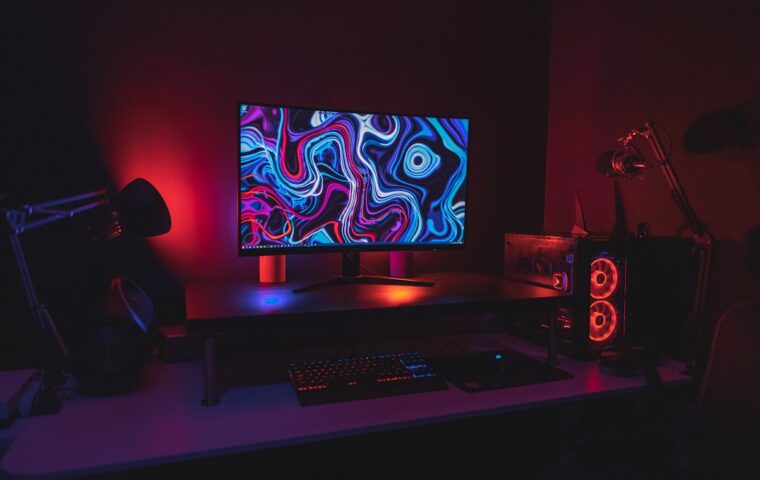
A chair at the right height and a monitor at eye level remove a hundred tiny strains. If you are building or upgrading a setup, comfort beats raw specs more often than people admit. A 1440p monitor at a sane refresh rate and a keyboard that fits your hands will keep you playing longer than the most expensive parts.
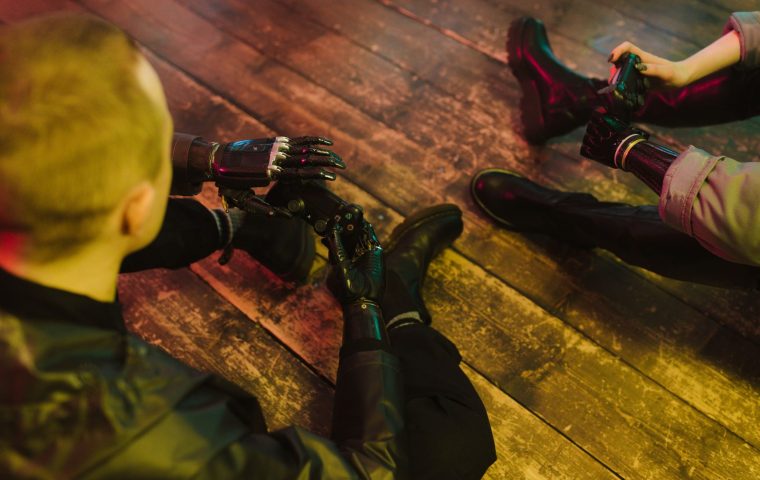
Comfort and access overlap more than most players realize. Many of the habits that prevent strain, like remappable controls and clear visual contrast, started as accessibility features that benefit every player, not just those who need them.
Wrist pain that lingers after you stop playing is not something to push through. Rest it, adjust your setup, and see a professional if it keeps up. No ranked badge is worth a long-term injury.
After Each Session, Close It On Purpose
How you end a session shapes how you feel about the next one. Quitting mid-tilt after a loss trains your brain to associate the game with frustration.
So end on a deliberate note. Win or lose, take 60 seconds to name one thing that went well. Maybe you hit a clean ability combo, or you finally beat a Baldur's Gate 3 encounter you'd dreaded. Small, but it rewires the memory you carry to bed.
Then actually leave. Close the launcher, don't just alt-tab. The friction of reopening it is a tiny, useful speed bump against the autopilot relog.
Rotate Your Games So No Single One Carries Everything
One reason burnout hits hard is monoculture. When a single competitive game is your only outlet, every bad night feels like proof you are getting worse.
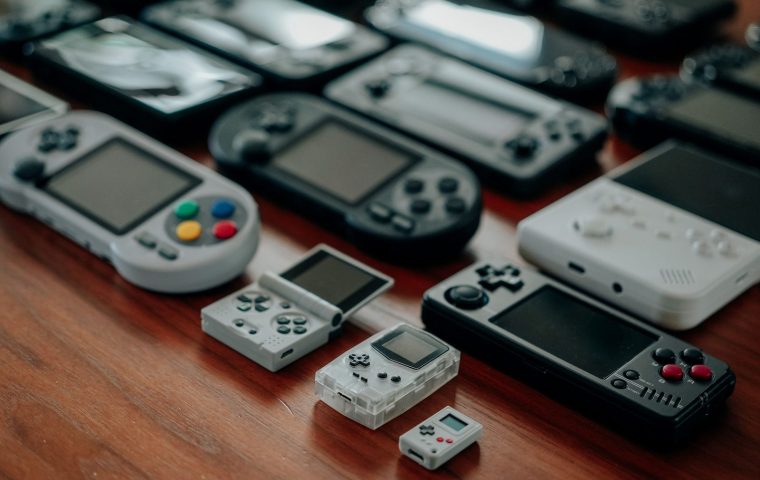
Keep a short rotation. Pair something high-stakes, like Valorant, with something low-stakes, like Stardew Valley or a chill Steam Deck handheld session on the couch. The cozy game becomes a release valve, not a guilty distraction.
Variety also keeps you curious, which is the opposite of burned out. The medium keeps shifting under us anyway, and watching the trends reshaping the industry can remind you how many genres are worth your time when the current one feels stale.
Name the feeling, audit your hours, cap each session before you start, protect your body mid-play, close every session on purpose, and rotate your games. None of these are heroic. They just compound.
Know the Difference Between a Break and a Quit
Sometimes the right move is stepping away entirely for a week or two. That is not failure, and it is not the same as quitting forever.
A break has a return date. Tell a friend, "I'll be back Saturday," and mean it. Coming back to a game you missed feels miles better than grinding one you resent.
Here is a simple way to tell which call to make.
| Signal | Probably a short break | Maybe time to shelve it |
|---|---|---|
| The feeling | Tired but still curious | Dread before you even load in |
| What helps | A few days off, then it's fun again | Time off changes nothing |
| Friends factor | You miss playing with them | You only log in out of obligation |
Be honest with the table. Forcing yourself through a game you've genuinely outgrown is its own kind of burnout, and there is no medal for finishing a backlog you stopped enjoying.
How many hours of gaming per week is too much?
There is no universal number. A weekend of 10-20 hours can feel great if it is intentional and fun, while five hours of grinding a game you resent is too much. Watch the quality of your sessions, not just the clock.
Can competitive ranked play cause burnout faster than casual gaming?
Often, yes. Ranked ties your mood to a number that can drop, which adds pressure casual play does not. Capping ranked sessions and pairing them with a low-stakes game helps a lot.
I feel guilty taking a break from a game I spent money on. How do I get past that?
The money is already spent whether you play or not. A game that has stopped being fun is not earning back its cost by making you miserable. A break often makes you enjoy it again, which is the real return.
Pick one habit from this list and try it this week, not all six at once. For most players, capping the session before they start is the one that changes everything fastest. Gaming is supposed to be the thing you look forward to, and a few small guardrails are usually all it takes to keep it that way. See you online, hopefully on a night you actually wanted to log in.