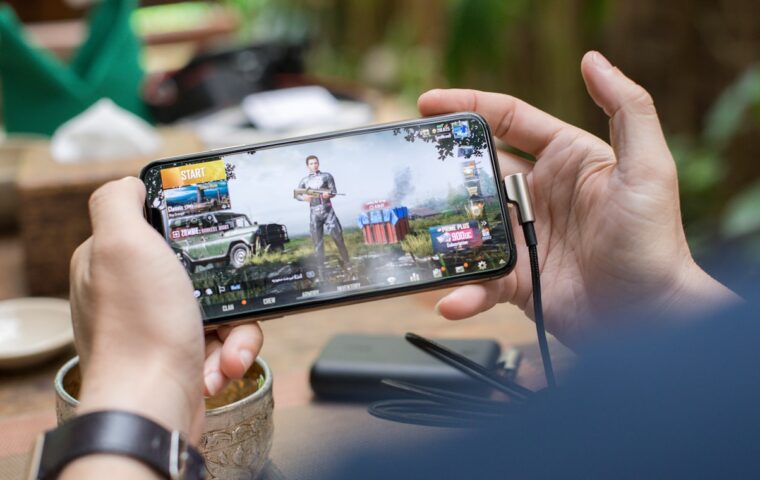


A few months ago I watched a friend install a game he had never heard of, play it for forty minutes, decide it was fine but not for him, and delete it without a second thought. The whole cycle cost him nothing extra. It was already part of his monthly subscription, sitting in a library next to two hundred other titles he would never touch.
That small moment says a lot about where gaming is headed. For most of the medium's history, buying a game was a deliberate act. You saved up, you committed, you played the thing you paid for because you paid for it. The subscription model quietly removes that friction, and when friction disappears, behavior changes in ways nobody fully planned.
Xbox Game Pass, PlayStation Plus, EA Play, Ubisoft+, and a growing pile of smaller services have turned a large chunk of the industry into something closer to a streaming buffet. That shift is not just about how we pay. It is reshaping what gets made, what gets finished, and what quietly disappears.
From owning a shelf to renting a library
The old model was simple and honest in its own way. You owned a disc or a license, and that game was yours to replay, lend, or resell. Ownership had weight, and it made you selective.
Subscriptions flip the logic. Instead of choosing one game carefully, you get access to hundreds and choose moment to moment. The value proposition is breadth, not permanence, and that changes the emotional relationship you have with any single title.
There is a real tradeoff hiding in that convenience. When a game leaves a service, it leaves. Renting a library is wonderful right up until the shelf you liked gets rearranged without asking you.
A subscription is access, not ownership. Titles rotate in and out on the publisher's schedule, so a game you love this month may not be there next year unless you purchase it separately.
The discovery machine, for better and worse
The clearest upside is discovery. Genres that used to feel like a gamble now feel like a free sample. Strategy games, narrative adventures, weird indies, and slow-burn simulations all get a fair shot from players who never would have paid forty dollars to try them cold.
I have started more games in the past two years than in the previous ten combined, and a few became favorites I later bought outright just to support the developer. That is the healthy version of the model working.
The messier version is what my friend did. Low commitment cuts both ways. When nothing costs anything to start, nothing feels like it demands your patience either. Games that ask for a slow first hour can lose players who would have stuck around if they had paid up front.
What this does to the people making games
For studios, subscriptions are a strange new deal. A spot on a major service can mean a guaranteed payment and a massive built-in audience on day one. For a smaller team, that check can be the difference between shipping and shutting down.
But it also changes the incentives around design. When you are paid for placement rather than per sale, the goal shifts toward engagement and retention, the same metrics that already dominate the business of live service explained in its more aggressive forms. Keep people playing, keep them subscribed, keep the numbers up.
That pressure is not automatically bad, but it nudges the industry toward games built to hold attention rather than games built to be finished. The quiet, complete, forty-hour single-player story competes for shelf space with titles engineered to never really end.
Comparing the major services at a glance
The services are not interchangeable, and the differences matter more than the marketing suggests. Some prioritize day-one releases, some lean on back catalogs, and some are really just a discount wrapper for one publisher's own games.
| Service | Best for | Main tradeoff |
|---|---|---|
| Xbox Game Pass | Day-one first-party releases and breadth | Library rotates; big titles can leave |
| PlayStation Plus (upper tiers) | Back catalog and classic games | Fewer day-one blockbusters |
| EA Play | Sports and EA franchises | Narrow to one publisher |
| Ubisoft+ | Ubisoft open worlds, often near launch | Pricey for a single publisher |
None of these is the obvious winner for everyone. Your ideal pick depends on which games you already want to play and how much rotation you can tolerate before it starts to feel like your library is renting you instead.
Hardware is chasing the model too
The way we play is bending around subscriptions as well. Cloud streaming means you can start a Game Pass title on a phone, a browser, or a cheap handheld without a powerful console anywhere in sight. That decoupling of hardware from horsepower is one of the bigger gaming trends reshaping industry conversations right now.
Handhelds deserve a mention here because they pair so naturally with a huge rotating library. If you already own a portable, the question of whether a steam deck worth it your library often comes down to how much of your backlog and subscription catalog you can carry around in your bag.
What we lose when everything is temporary
There is a preservation problem lurking under all of this. Games have always been fragile as cultural objects, and subscriptions add another layer of impermanence. When a title is delisted from a service, the players who only ever knew it there simply lose access.
Physical media at least left something on a shelf. A delisted subscription game leaves a gap in a menu and a fuzzy memory. Multiply that across thousands of titles and decades, and you get a real risk that whole slices of the medium quietly vanish.
I do not think this makes subscriptions villains. The convenience is genuine, and the access is a gift for players who could never afford to buy everything. But it is worth naming the cost so we go in with clear eyes.
Subscriptions expand access and discovery in ways that genuinely help players and smaller studios. They also nudge design toward retention, make libraries temporary, and raise real questions about ownership and preservation. Use them for breadth, but buy the handful of games you actually want to keep.
How to think about your own subscriptions
My honest advice is to stay a little skeptical of your own habits. It is easy to keep paying for three services because each has that one game, when one subscription plus a couple of purchases would serve you better.
Audit your last few months. If you barely touched a service, cancel it and come back when something you want lands there. These businesses run on people forgetting to unsubscribe, so keeping the model on your side mostly means paying attention.
Are subscription services cheaper than buying games?
It depends on how much you play. If you finish several new releases a year, a service can be a bargain. If you only play one or two games you would replay for years, buying them outright is often cheaper and safer.
What happens to my progress when a game leaves the service?
Your save data usually stays intact, but you lose access to the game itself. If you buy the same title later on that platform, your progress typically picks up right where you left off.
Do subscriptions hurt game developers?
Not inherently. Placement deals can guarantee income and a big audience, which helps smaller studios especially. The concern is more about how the model pushes design toward retention over complete, self-contained experiences.
The subscription era is still young, and its shape is not settled. What I keep coming back to is that these services are tools, not lifestyles, and they reward players who stay intentional. Enjoy the buffet, sample widely, and quietly buy the few games you would genuinely miss.