
My buddy Marcus has rage-quit the same boss in Elden Ring four times, and every single time he blamed the boss. The fifth attempt, he borrowed my pad, beat it on the second try, and went quiet. Turns out his old controller had a sticky right stick that was costing him about half a second on every dodge. He just never noticed because he had nothing to compare it to.
That is the trap with controllers. You play on one pad for two years, your hands memorize its flaws, and you assume that is just how games feel. Then you pick up a different one and realize you have been fighting your own hardware the whole time.
So I spent a few weeks rotating through the pads people actually buy, swapping them mid-session across shooters, platformers, and slow RPGs, and paying attention to the boring stuff: stick tension, trigger travel, where my thumbs land. Here is what feels best, and more importantly, which one is worth your money.
The Two Pads Most People End Up Choosing Between
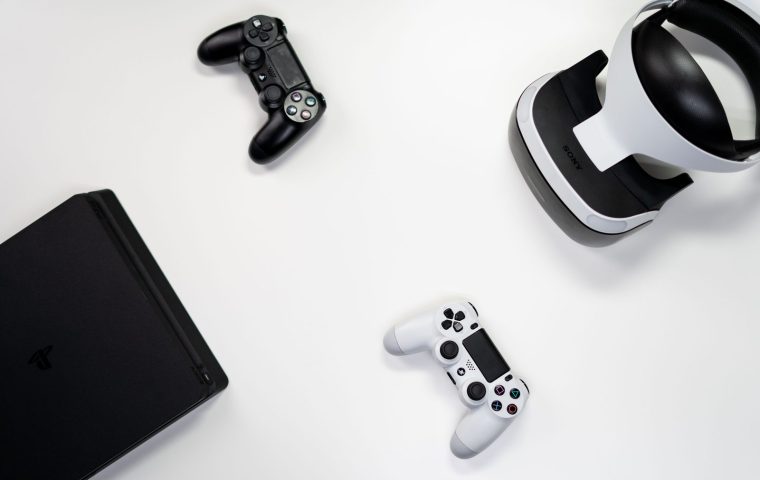
Strip away the niche stuff and the real fight is between the Xbox Wireless Controller and the DualSense. Almost everyone shopping for a pad on PC or console lands on one of these two before they consider anything fancier.
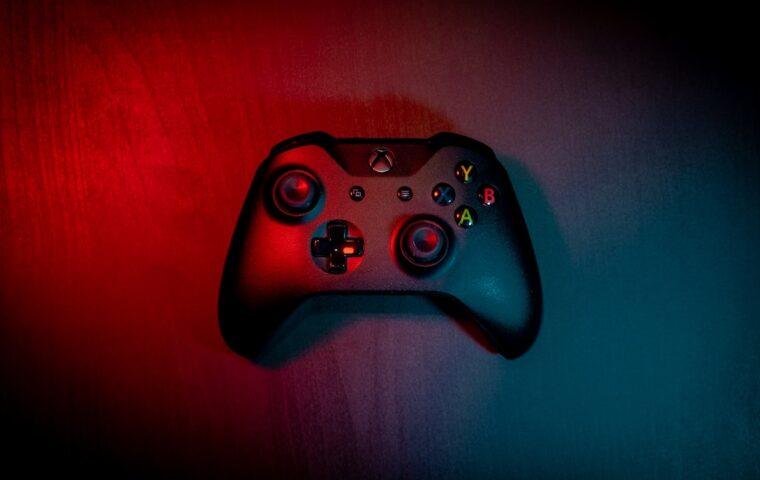
The Xbox pad is the comfort default. It has the textured grips, the offset sticks, and the kind of shape that disappears in your hands after ten minutes. It is the controller I hand to people who have never thought about controllers, because nothing about it asks for attention.
The DualSense is the one that tries to do something new. The adaptive triggers and the haptics are genuinely different, not just marketing, and in the right game they add a layer you cannot get anywhere else. The question is whether that layer is worth the tradeoffs, and there are tradeoffs.
How They Actually Feel in the Hand
Feel is the whole game here, so let me be specific. The Xbox controller has slightly firmer sticks with a touch more resistance off center, which I prefer for shooters like Valorant or any game where small, deliberate aim corrections matter. Your thumb has something to push against.
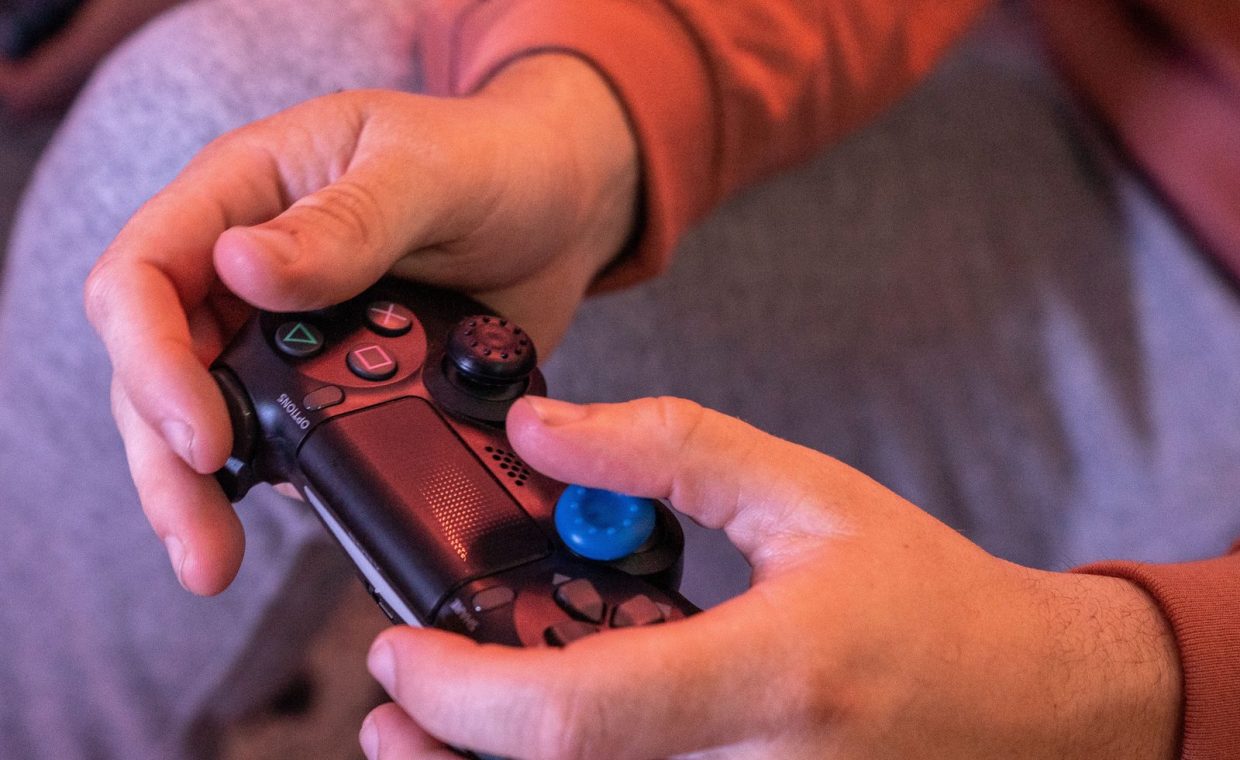
The DualSense sticks are a bit lighter and the pad is wider and heavier overall. Some people love that heft because it feels premium. After a long session of Baldur's Gate 3, though, my hands noticed the extra weight more than I expected. It is not a dealbreaker, just real.
Triggers are where they split hard. Xbox triggers are clean, short, and predictable. DualSense adaptive triggers can stiffen up to simulate a bow draw or a gun's resistance, and the first time a trigger fights back in a game that supports it, you grin like an idiot. The catch is that support is inconsistent, so half your library treats them like normal triggers anyway.
Before you buy, go to a store and just hold both for thirty seconds each. Your hands will tell you more in that minute than any review, mine included. Hand size matters more than people admit.
Build Quality and the Stuff That Breaks
Both pads feel solid out of the box, but they fail in different ways over time. The honest weak point on both is stick drift, where the analog stick registers movement when you are not touching it. It is the single most common reason a controller ends up in a drawer.
I have had drift show up on both brands eventually, usually after a year or so of heavy use. Neither one is immune, and anyone who tells you their pad is drift-proof has just not played enough hours yet. Treat it as a when, not an if.
Build-wise, the Xbox shell feels a hair more rugged and survives drops better in my experience. The DualSense feels nicer to the touch with its subtle textured grips, but that glossy center section scuffs and shows wear faster. Small thing, but you look at it every day.
Cheap third party pads from no name brands are where build quality goes to die. I have seen sticks loosen in weeks and bumpers stop clicking. If you are going budget, stick to a known brand's older model rather than an unknown one's flagship.
Features, Battery, and Living With It on PC
On PC, the Xbox controller is the path of least resistance. It just works in basically every game, plug in or pair over Bluetooth and you are done. No driver hunting, no compatibility roulette.
The DualSense works great wired on PC, but going wireless and keeping the fancy haptics and triggers alive in every game takes extra steps and a bit of luck. Many PC games only read it as a generic pad, so you lose the headline features anyway.
Battery is another quiet win for one side. The Xbox pad runs on AA batteries (or a rechargeable pack), which sounds dated until your battery dies mid raid and you swap in two AAs in ten seconds. The DualSense has a built in battery that lasts a decent stretch but needs a cable when it dies, and the runtime is shorter than I would like.
One feature note that surprises people: a controller has nothing to do with stream quality. If you are recording gameplay, the pad is irrelevant, and you should be reading up on whether you actually need a capture card before you spend money there. Plenty of folks buy gear in the wrong order.
The Head to Head Table
| Factor | Xbox Wireless Controller | DualSense |
|---|---|---|
| Price | Around $60 | Around $70 |
| Stick feel | Firmer, great for aim | Lighter, more relaxed |
| Triggers | Clean and consistent | Adaptive, when supported |
| Weight | Lighter, comfy for hours | Heavier, feels premium |
| Battery | Swappable AA, instant fix | Built in, needs charging |
| PC compatibility | Effortless, plug and play | Best wired, fussy wireless |
| Standout feature | Reliability and comfort | Haptics and triggers |
Which Pad Wins for Whom
If you mostly play on PC, jump between a lot of games, and just want a pad that never gets in your way, get the Xbox controller. It is the safe pick for a reason, and the firmer sticks genuinely help in competitive shooters. This is the one I recommend to nine out of ten people.
If you play mostly single player games that lean into immersion, like a tense survival horror or a cinematic adventure, the DualSense earns its keep. Those adaptive triggers in a game built for them are something you cannot un-feel, and that alone can be worth the extra cost.
The cheapest upgrade that actually changes how a game feels is replacing a worn pad with any good fresh one. A new $60 controller with crisp sticks beats a tired $180 one with drift every single time. Do not overspend chasing feel you can get for less.
Here is the mistake I see constantly: people blame their input feel on their controller when the real culprit is their screen. If aiming feels laggy and smeared, that is often your display, not your pad, and it is worth checking monitor response time and ghosting before you blame the hardware in your hands.
And if your inputs stutter only during long sessions, your pad is innocent there too. That is usually a thermal problem, and a few quick steps to fix a PC running hot and tame your temps will do more for your gameplay than any controller swap.
Is a more expensive controller actually better to play with?
Not automatically. Past around $60 you are usually paying for extra buttons, swappable parts, or haptics, not better core feel. A standard Xbox or DualSense pad feels great, and a fresh mid priced one beats a worn premium one every time.
Which controller is best for competitive shooters?
For pure aim, I lean toward the Xbox controller because its firmer sticks give you more control over small corrections. That said, both are perfectly viable, and your aim depends far more on practice and a fast display than on which pad you hold.
How do I stop or delay stick drift?
Keep dust out of the stick base, avoid yanking the sticks to their limits, and store the pad away from heat. Drift will likely come eventually on any brand, but gentle handling buys you many extra months before it shows up.
Pick the pad that feels right in your specific hands, not the one with the longest feature list. Spend the money you save on a fast display or fixing your temps, since both do more for how your games feel than a fancier controller ever will. Now go beat that boss Marcus keeps blaming.